

Re-Romancing Valentine’s Day
Love, Frequency & the Hidden Geometry of Heart Resonance
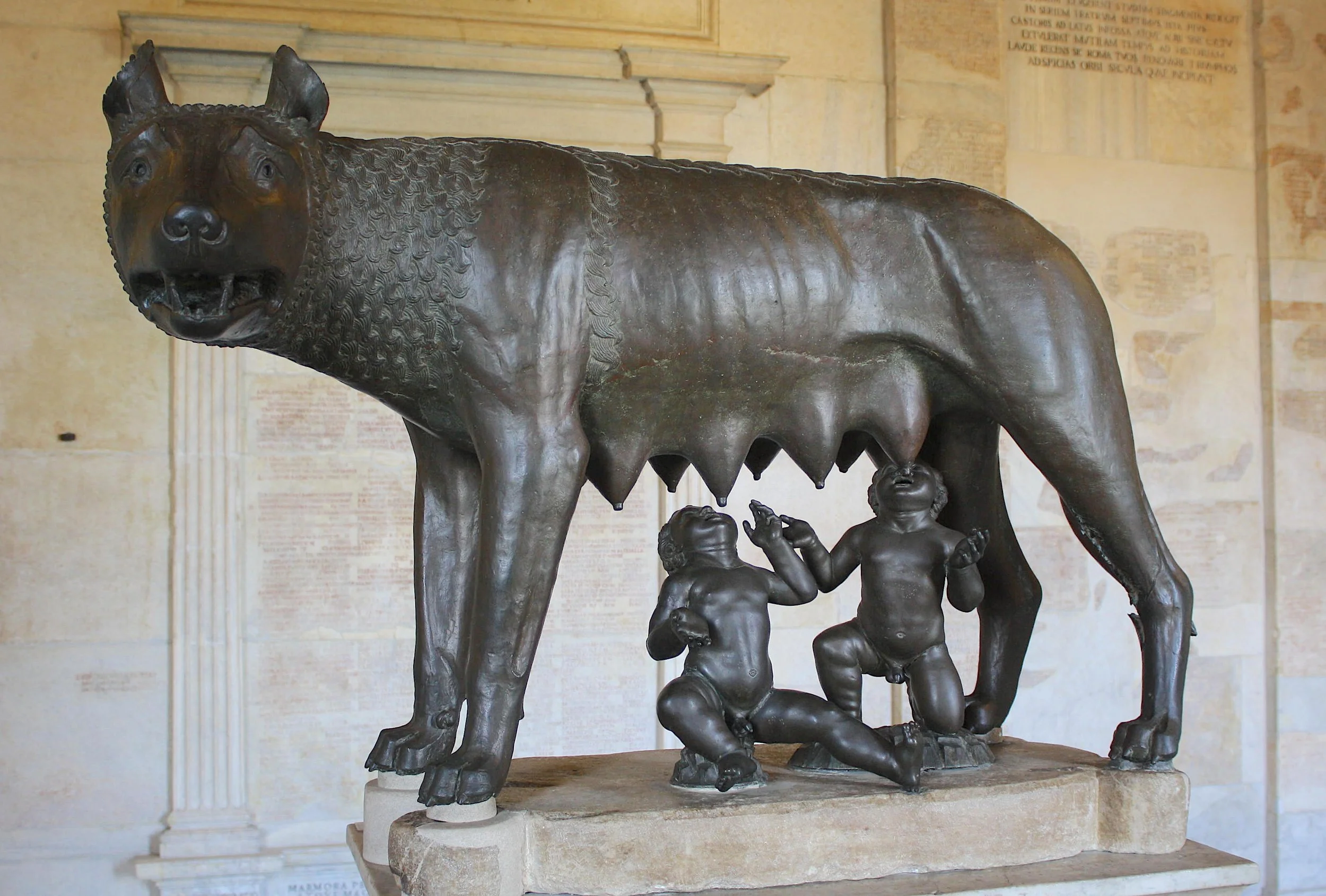
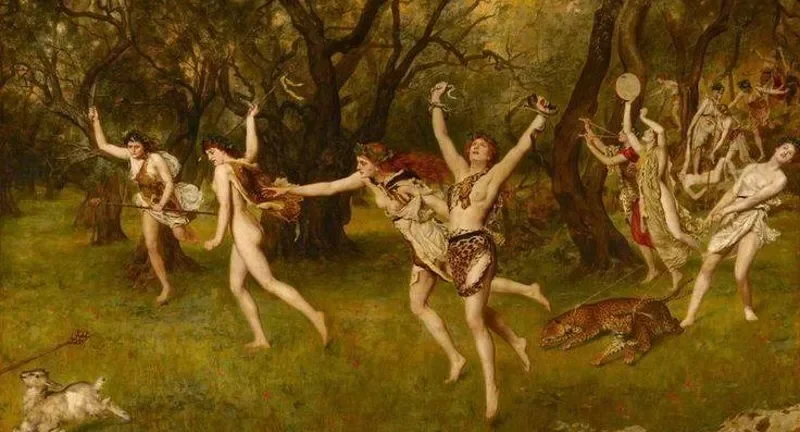
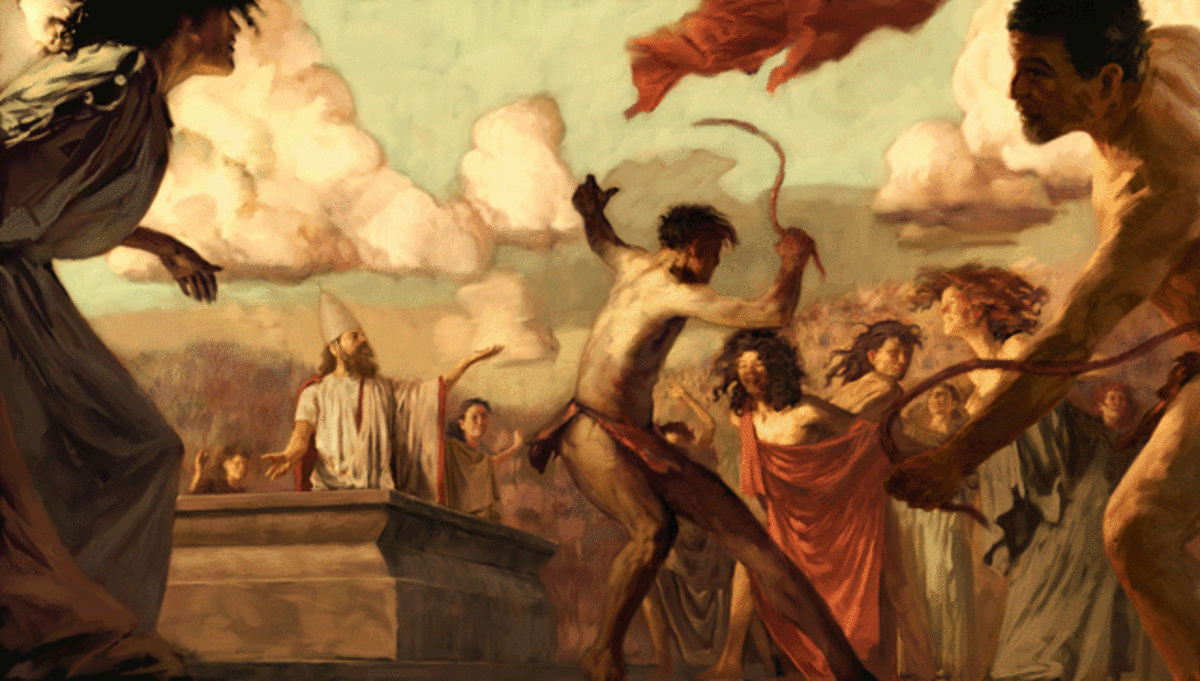
The history of Valentine's Day is not really obscure - but it is marked by hostile takeover. Its roots are in an ancient Roman festival called Lupercalia, a fertility celebration commemorated annually in the second week of February - dedicated to Romulus and Remus. (In case you are unfamiliar - Romulus and Remus are the legendary founders of Rome and sons of Rhea Silvia. Rhea's uncle, Amulius, tried to have the infants drowned in the Tiber River, but they survived and were kept alive by a she-wolf). Lupercalia rites included animal sacrifice, public whipping to increase fertility and public orgies.
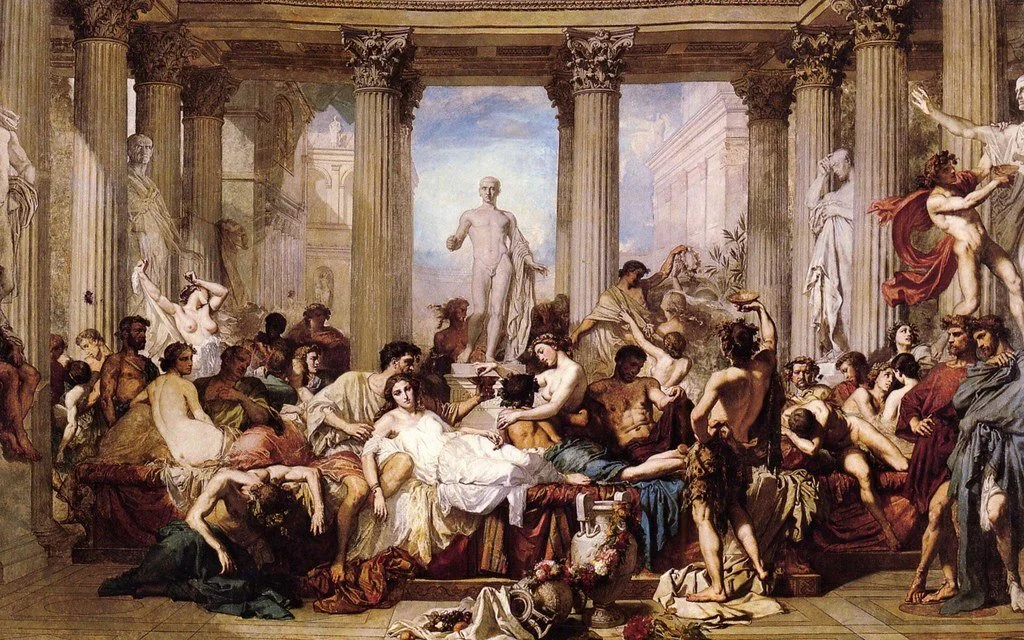
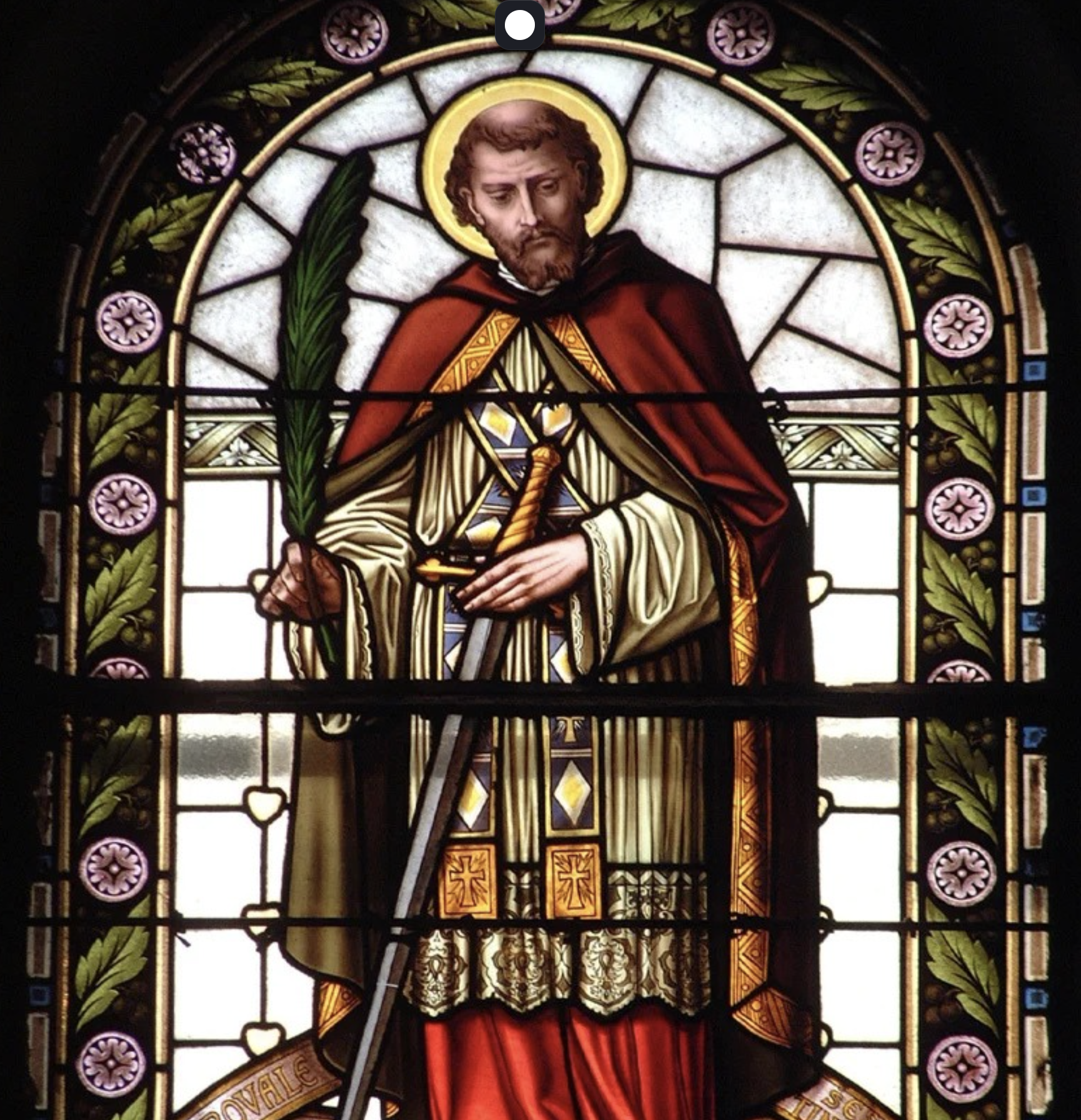
In the late 5th century A.D., Pope Gelasius I eliminated the pagan celebration of Lupercalia and declared February 14 a day to celebrate the martyrdom of Saint Valentine instead. It’s highly unlikely he intended the day to commemorate love and passion, but rather to subvert the pagan culture and end the festivities. Most scholars believe that St. Valentine of the Catholic Church was a priest who was executed/ martyred for performing secret marriage ceremonies. Before he was executed, he allegedly sent her a letter to his own true love signed..."Your Valentine."
Regardless of the origin - we all have our own unique ways of celebrating or rejecting Valentine’s Day. Like many “appropriated” festivals and rites of ancient societies: Samhain, Saturnalia, Eosturmonath... we all have absolute personal license to resurrect rites of the past and even create our own, which is why I want to share my personal connections and connotations with you.
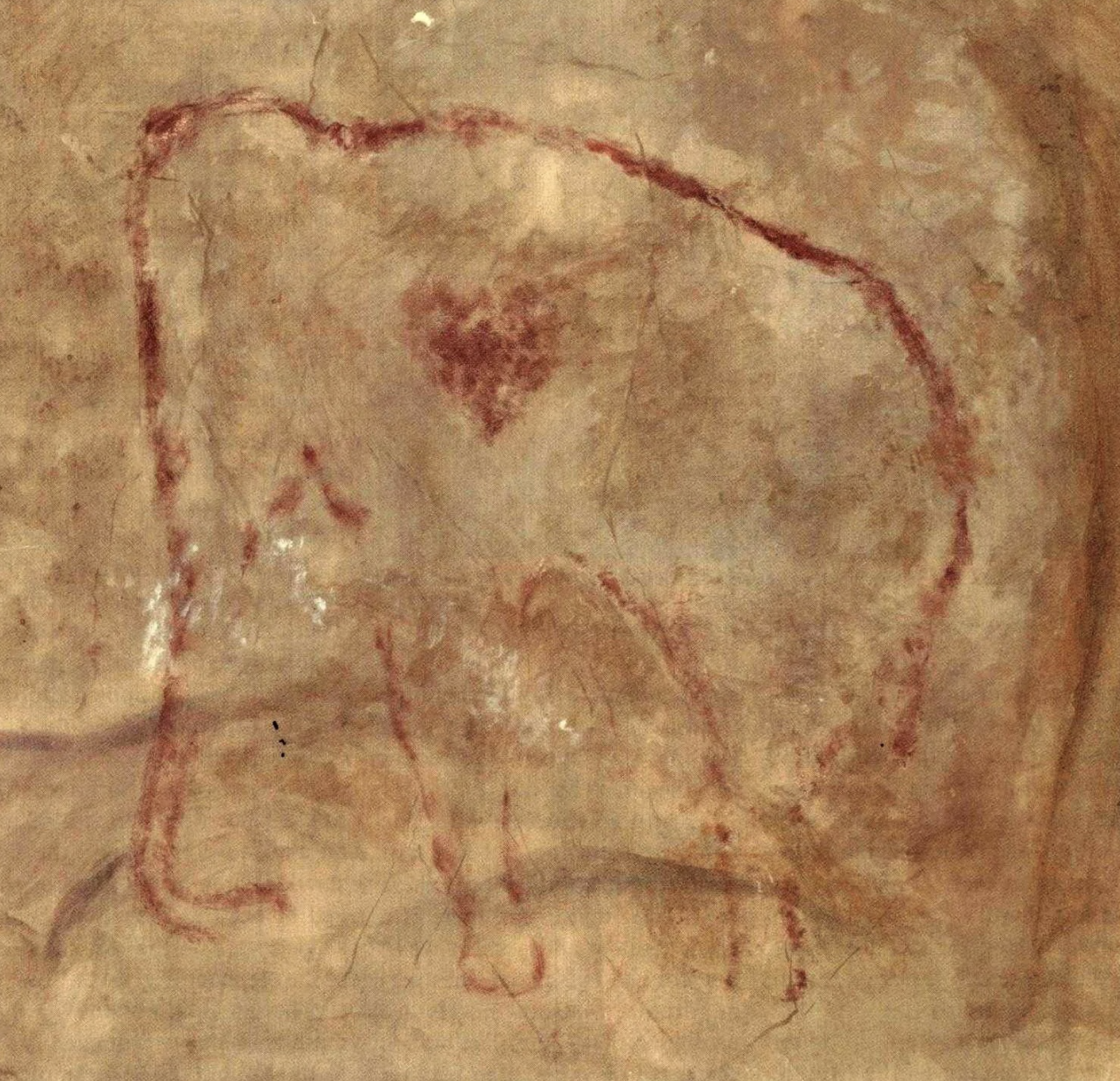
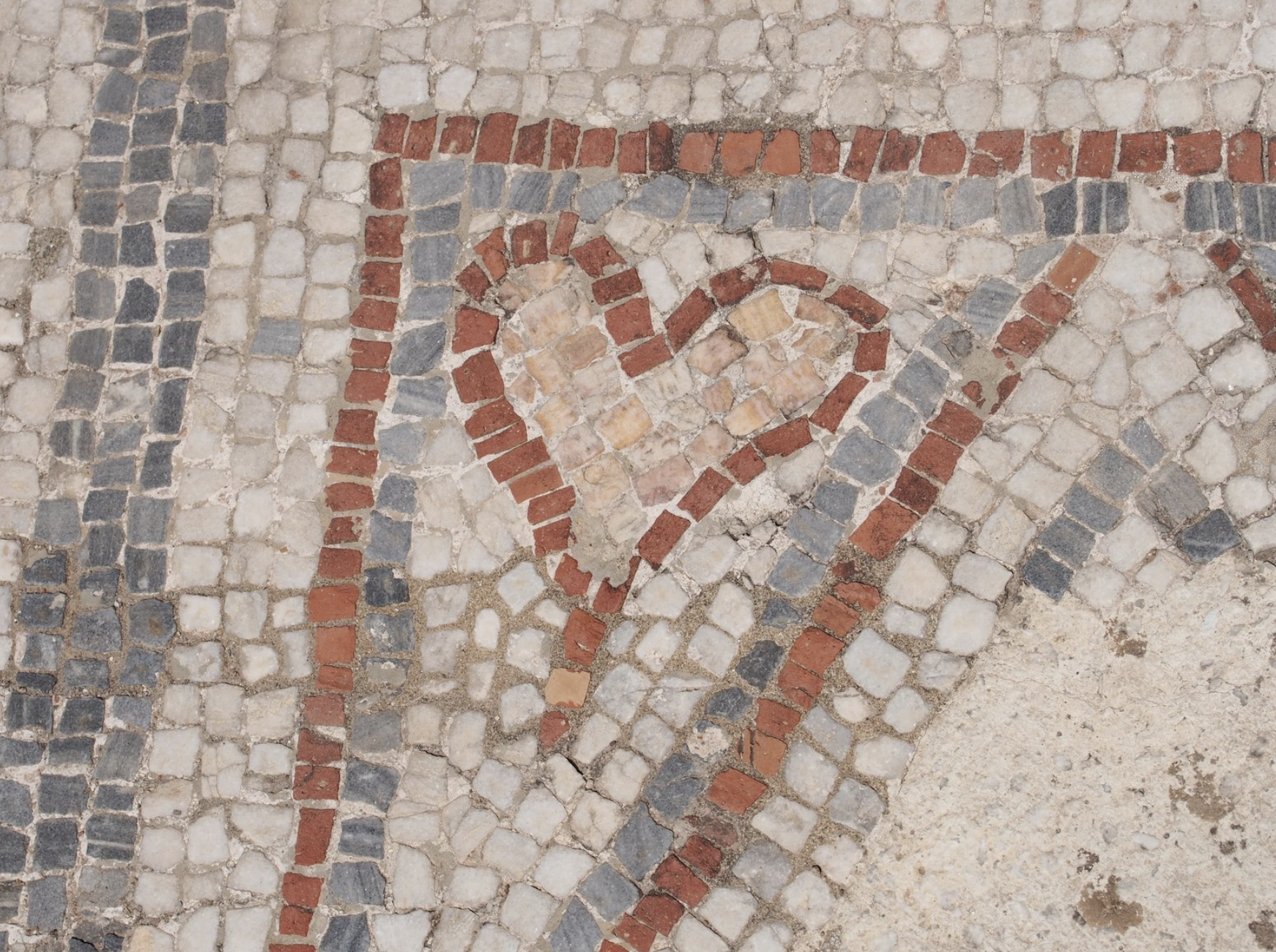
The heart symbol we use to express our affections today can obviously be traced back to the animal sacrifice of Lupercalia but even Cro-Magnon hunters in Europe sed the symbol in pictographs. The Egyptians crafted a stylized heart symbol to represent the center of life and morality. And the ancient Greeks decorated with a heart shaped symbol to represent the division between the physical and spiritual realms; as pictured here in a threshold mosaic.
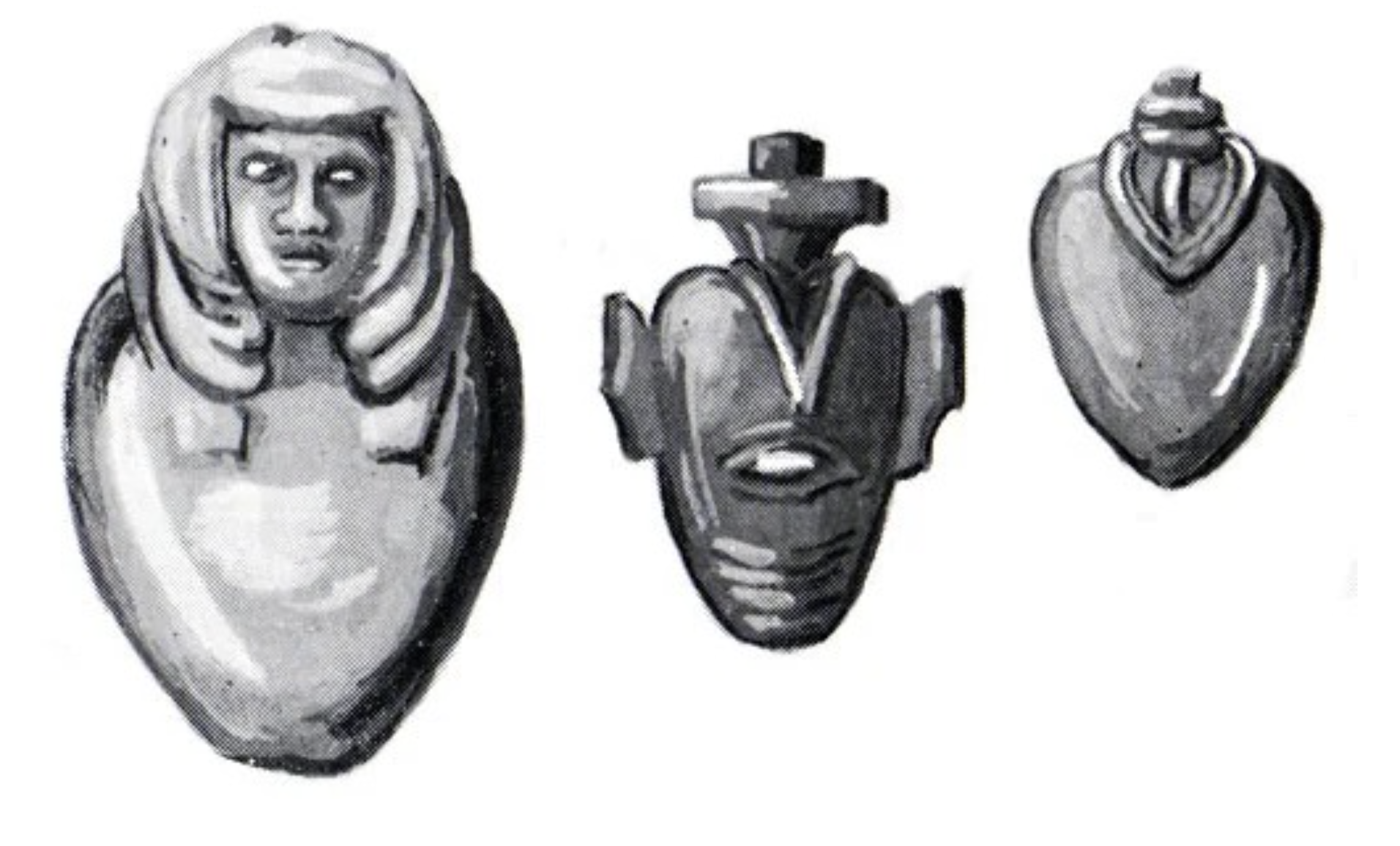
The heart symbol has also been found on old Roman coins and artifacts like this one, which apparently depicts a seedpod from the extinct plant Silphium.
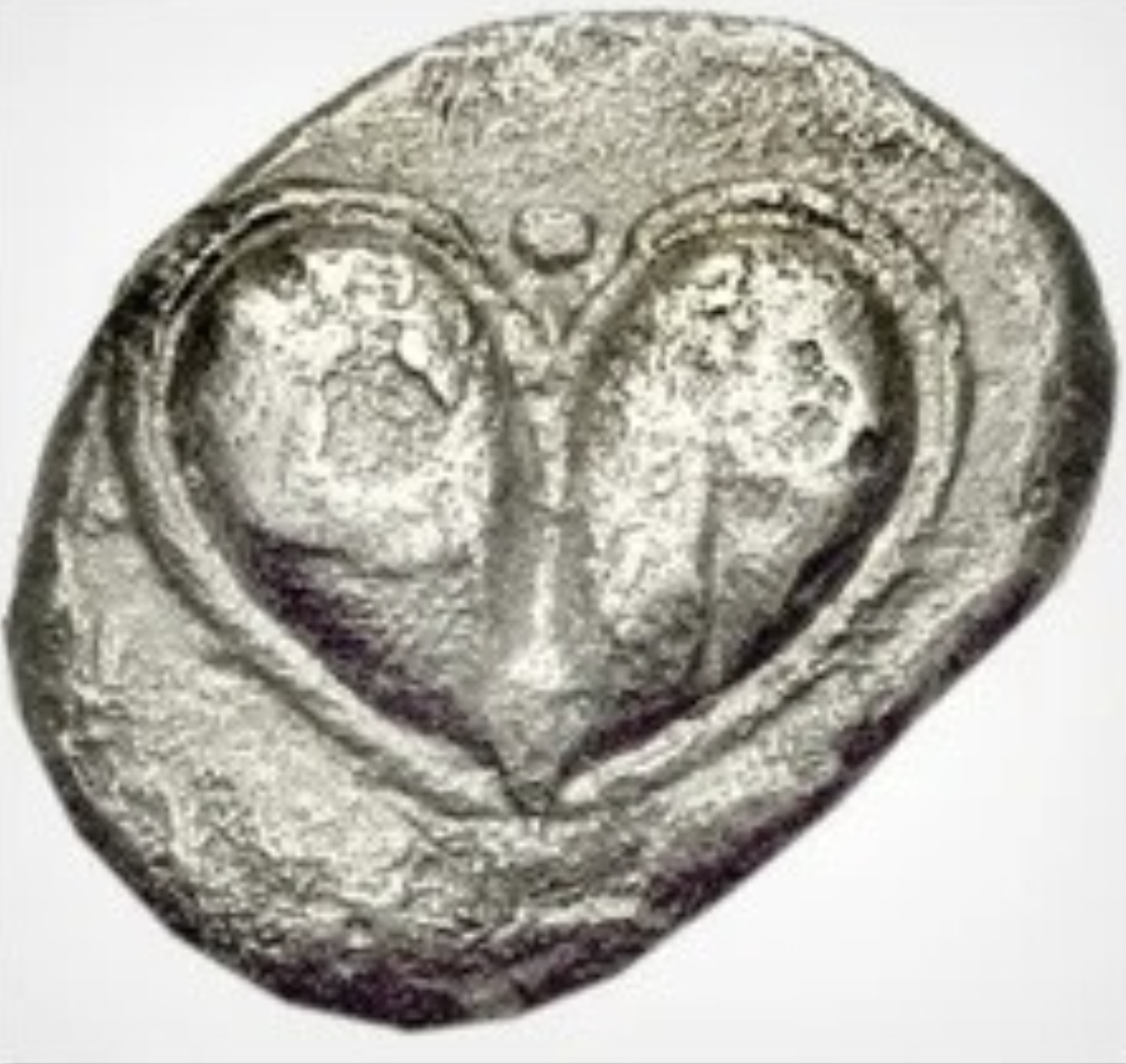
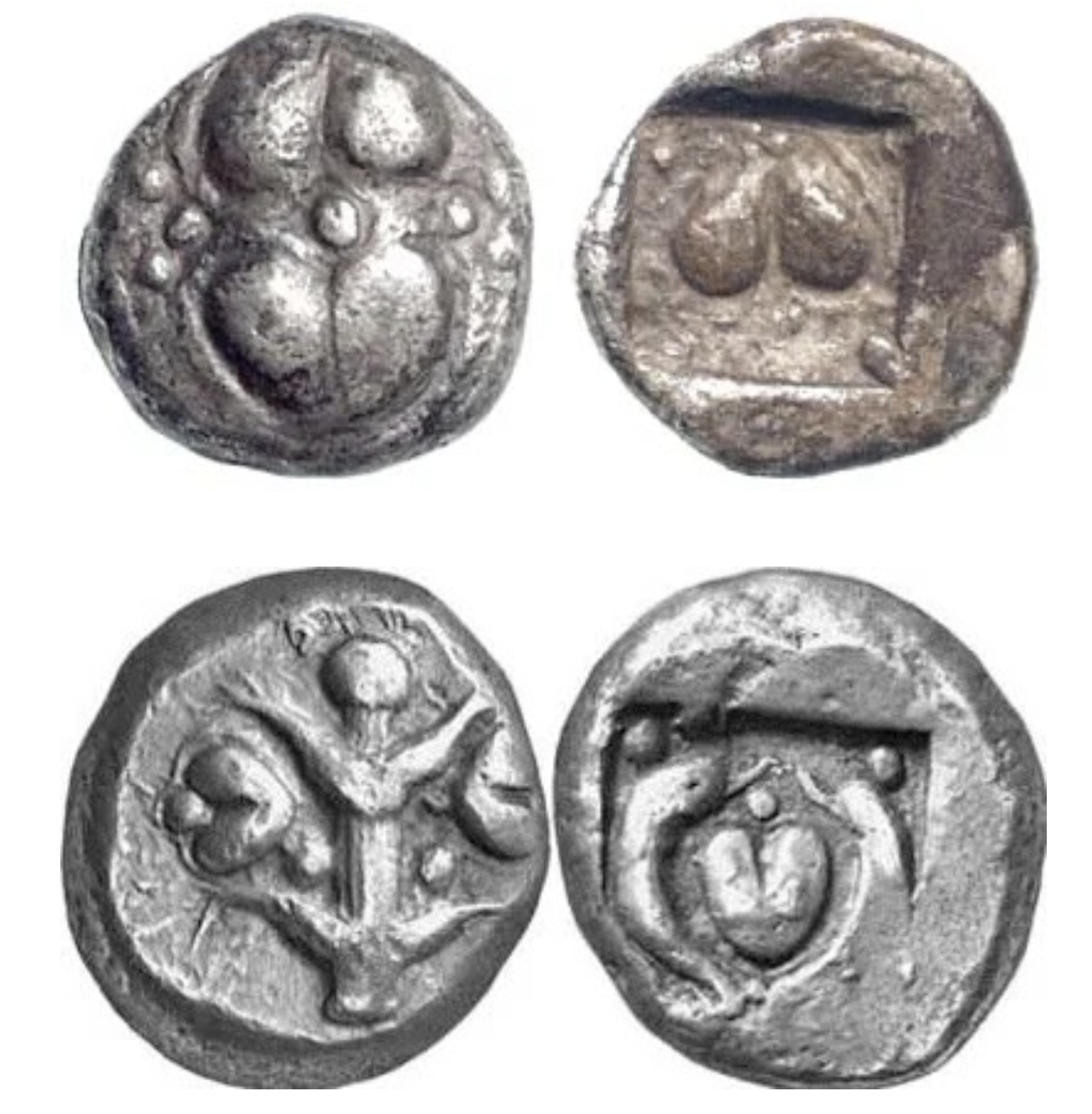
The Silphium seedpod is the most likely candidate as origin for our modern heart shape. It was used medicinally to treat infertility, and as a contraceptive. It was also a well know treatment for mental illness, in particular the "madness of love". In fact most historians believe that the Romans did not relate the symbol to love at all but rather to sex and carnality, it's form reminiscent of the vulva, breasts, butts, testicles... real Roman currency.
And so, through the centuries the heart came to represent not just sex but love. And in any case, a symbol referencing the relationship between human and natural history.
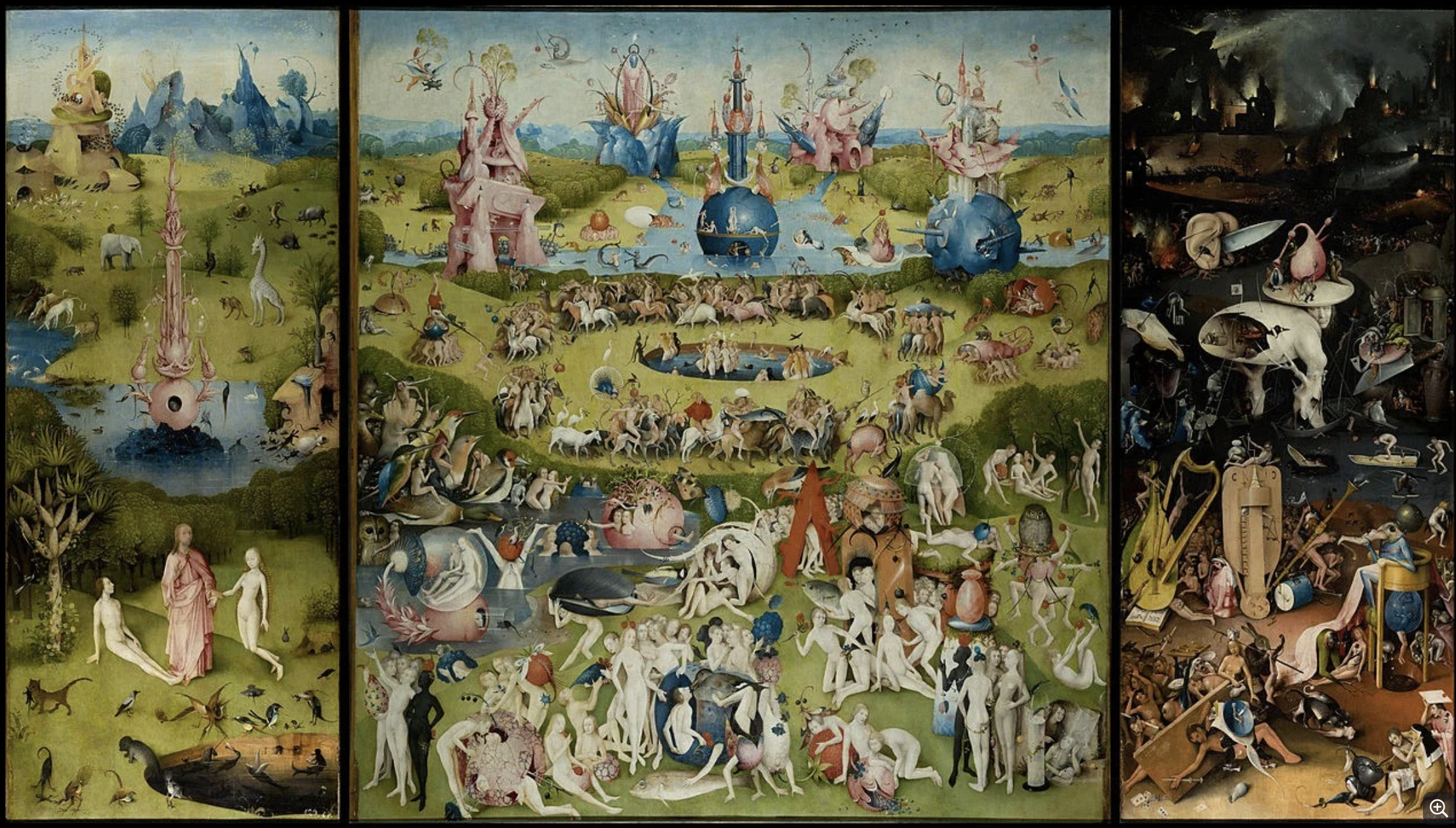
Hiëronymus Bosch: The Garden of Earthly Delights, 1490–1500; in the Museo del Prado, Madrid.
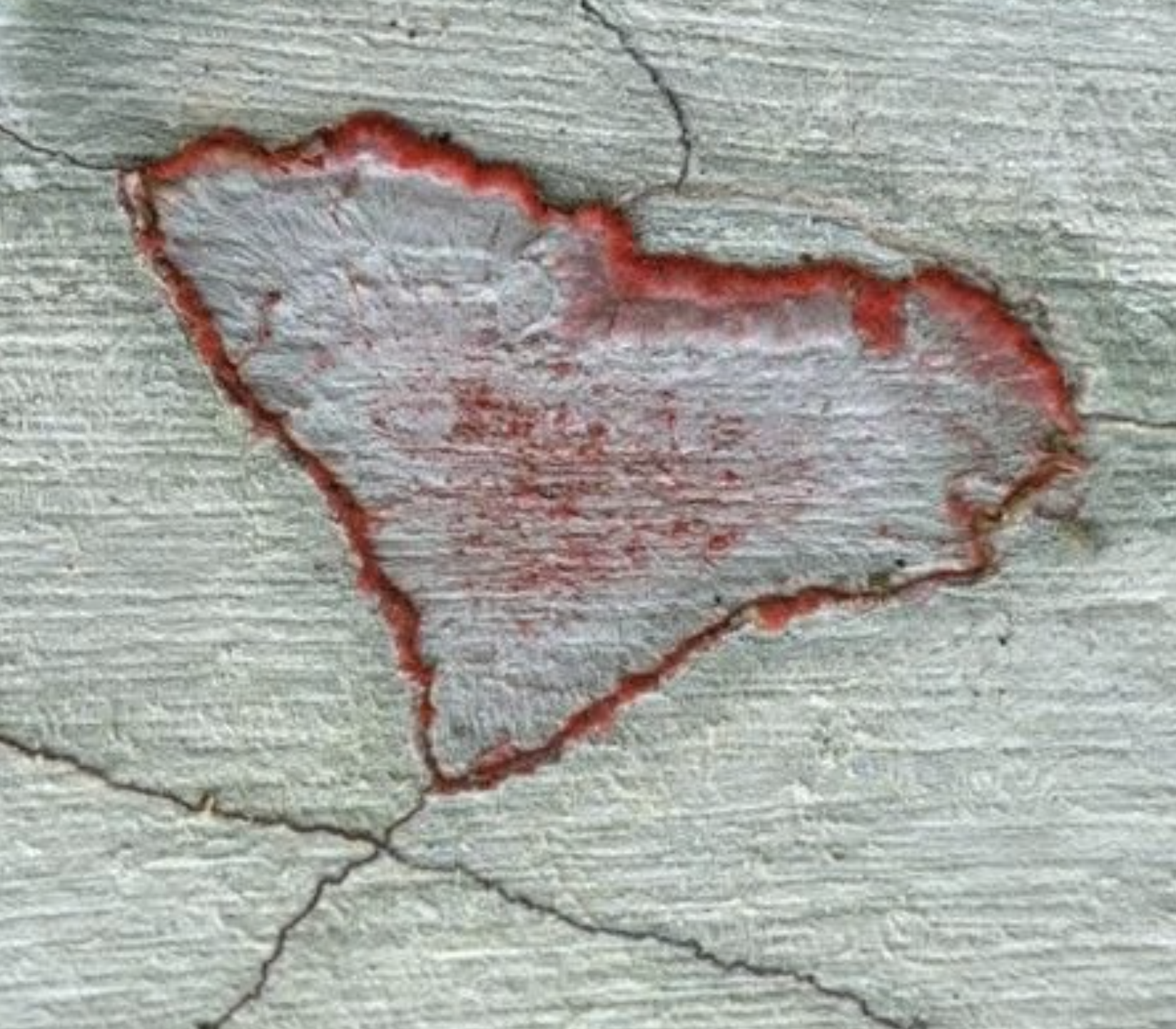
Modern society has an obvious and longstanding affection for the symbol, and we seem to imbue places and things that exhibit this symbology with particular meaning. A quick online search will turn up troves of photos of found hearts everywhere: Islands and ponds, ferns and swans, leaves and puddles, where you seek so shall you find.

This private and uninhabited Croatian island once contained only wild plants, trees and untouched beaches. However since it was "discovered" on Google Earth in 2009, the island has become a major tourist destination. In fact there are at least 25 heart shaped islands in the world, all of then famed for their shape and it's connotations.
This got me thinking about universally understood and universally attractive shapes and forms. And by the way, what is the MOST infinitely ancient and universally tangible image or form?
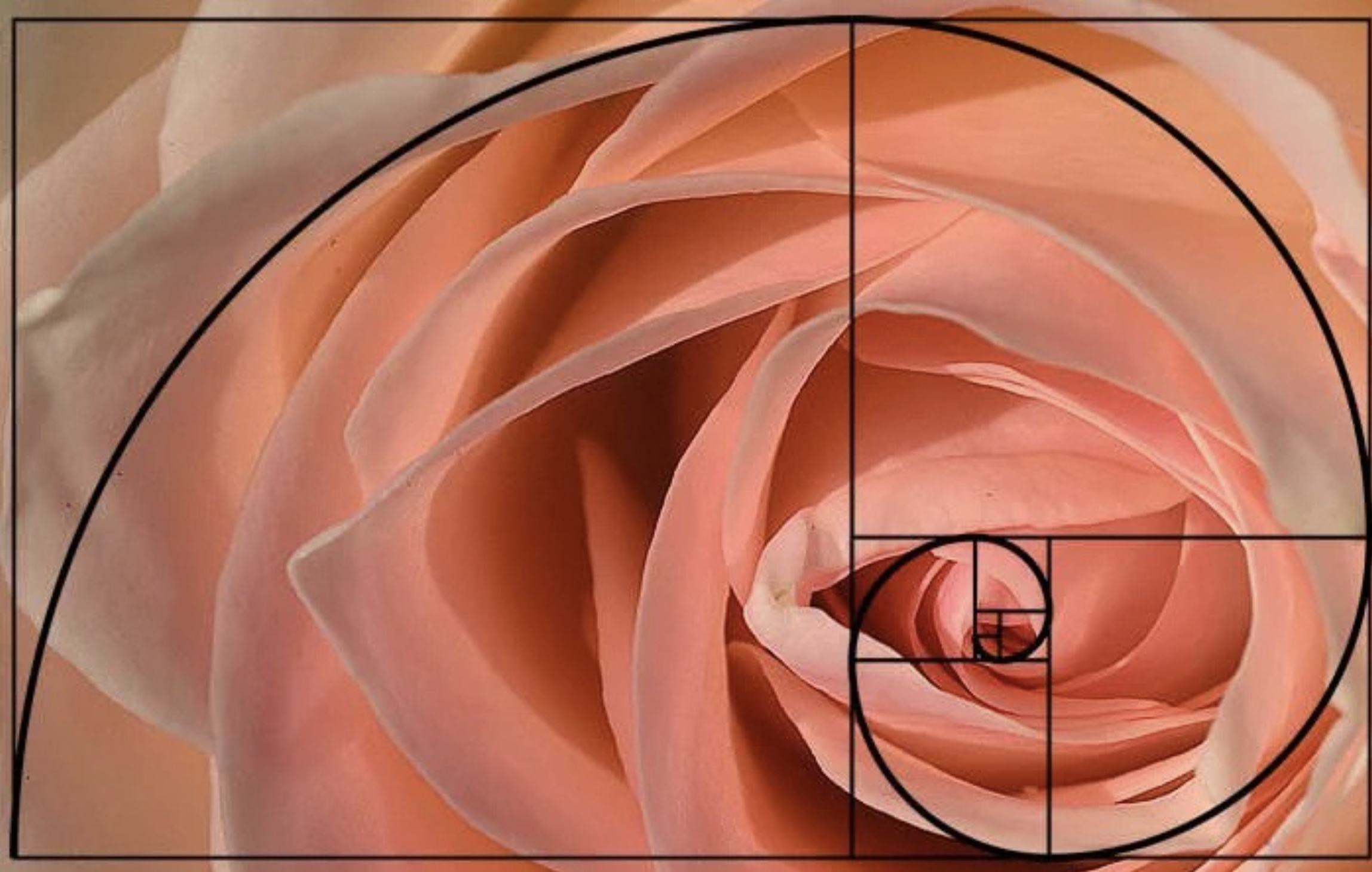
The Golden Spiral - Fibonacci’s Sequence
The first written record of the Fibonacci's Sequence comes from around 200BC in the Sanskrit tradition of prosody; basically a study of phonetics. In the West, the Fibonacci sequence first appears in the book Liber Abaci by Leonardo of Pisa, written in 1202. Leonardo was known as Fibonacci.
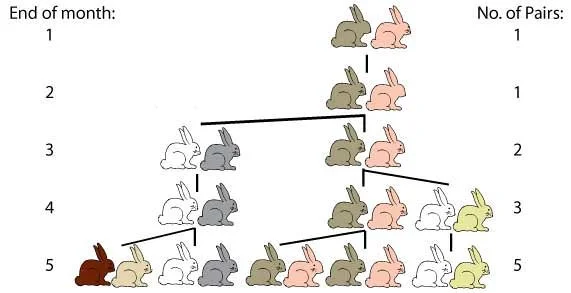
Fibonacci's equation was based on an idealized pattern of rabbit reproduction, which consisted of mating pairs of rabbits reproducing at optimum efficiency. Because rabbits begin breeding when they are one month old, the sequence looks like this:
Begin with one Female rabbit, one month old
At the end of the first month a female mates, but there is still just her and her mate, 1 pair.
At the end of the second month the female produces a new pair, so now there are 2 pairs of rabbits.
At the end of the third month, the original female produces a second pair, making 3 pairs in all.
At the end of the fourth month, the original female has produced yet another new pair, the female born two months ago produces her first pair also, making 5 pairs.
And so on. Adding the sum of the previous two numbers to get the following number creates the sequence.
1+1=2
1+2=3
2+3=5
3+5=8
5+8=13...
And on into infinity.
It is no accident that Fibonacci came across this pattern studying nature, because this pattern is everywhere in nature. You can calculate it in pine cones, sunflowers, even hurricanes.
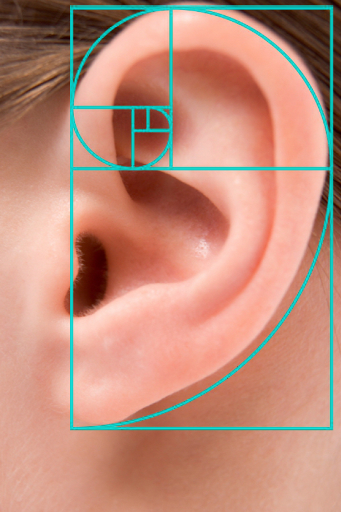
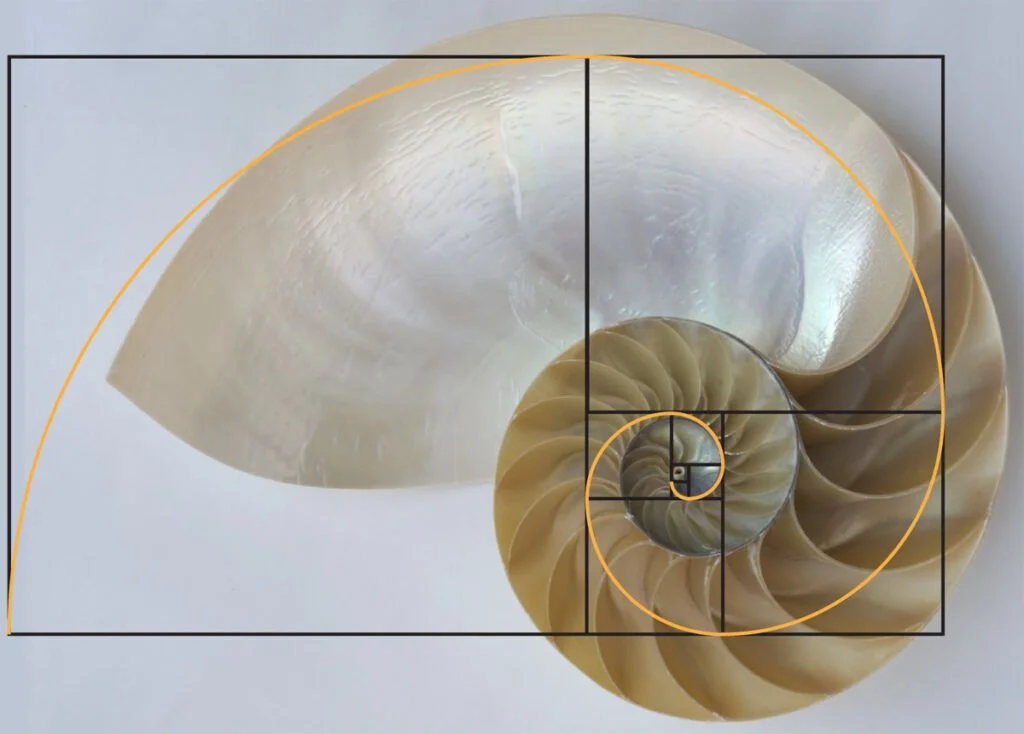
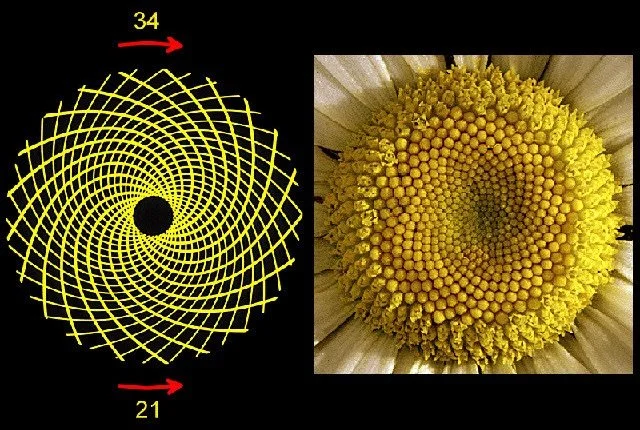
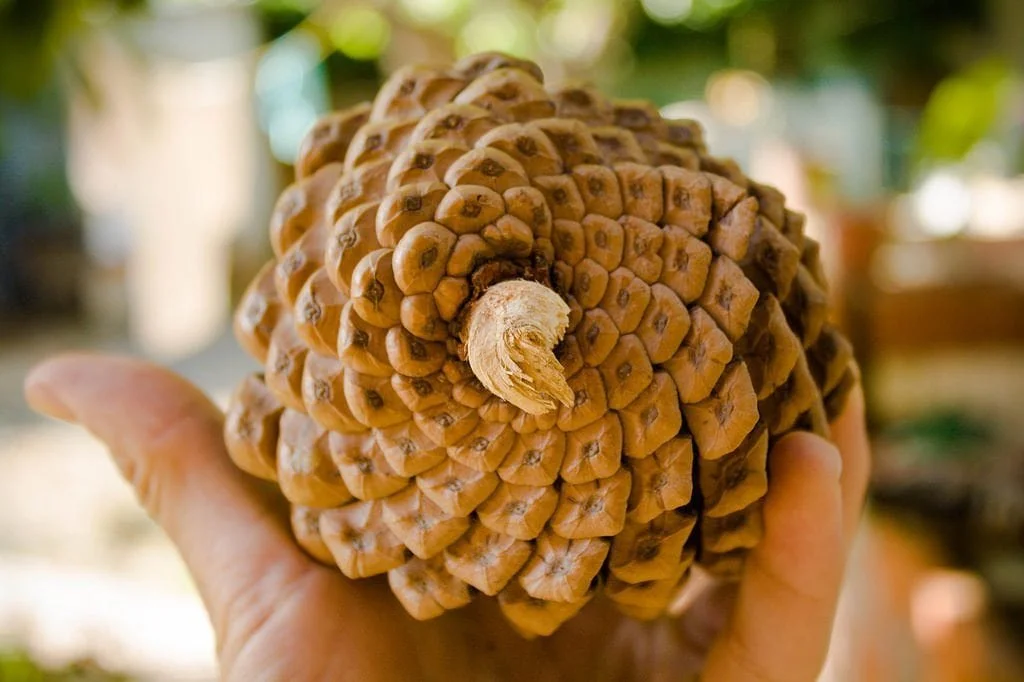
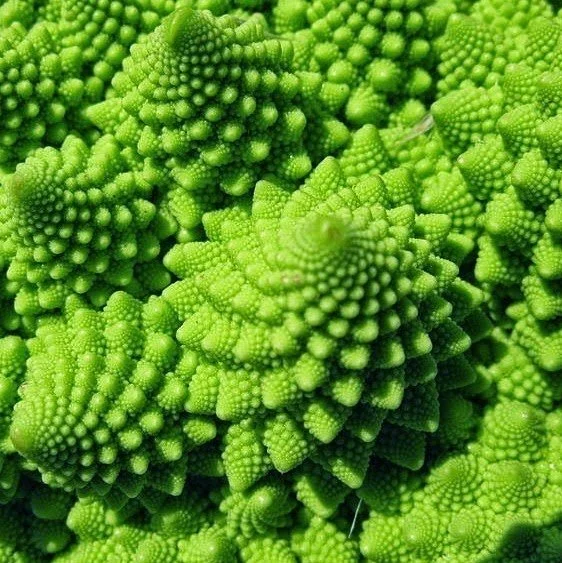

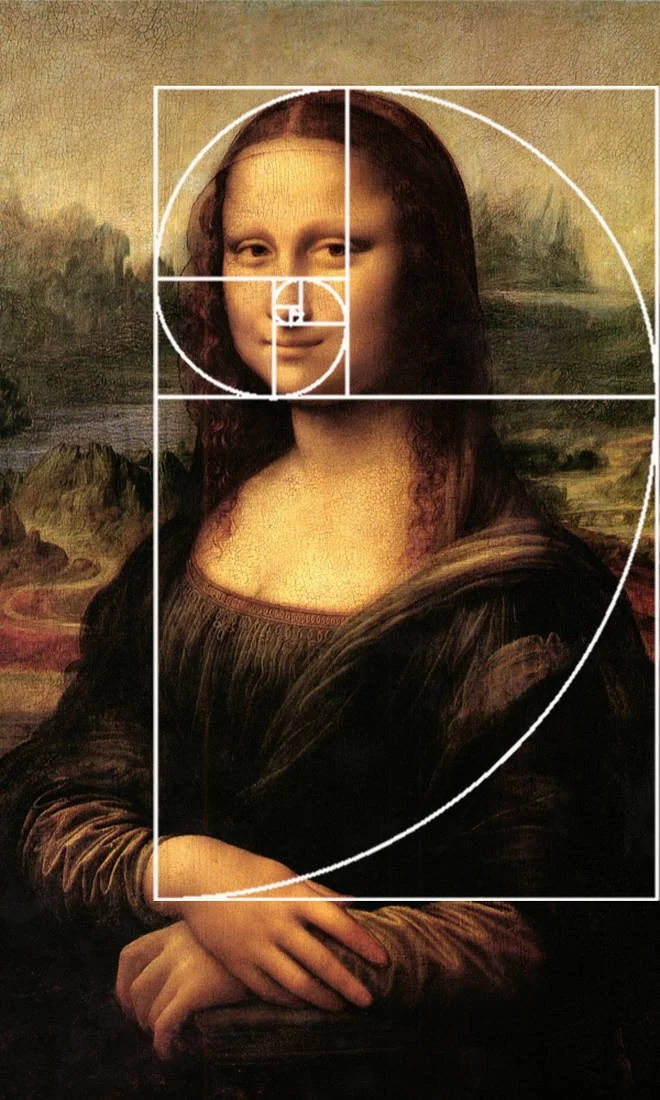
When the sequence is translated geometrically, it is a rectangle. If you continue to create successive squares and spiral out of the first rectangle, the quadratic equation of the sides becomes closer and closer to 1.618033, which is Phi or the Golden Ratio. That Golden Ratio has been romancing artists, scientists, musicians, and mathematicians for centuries.
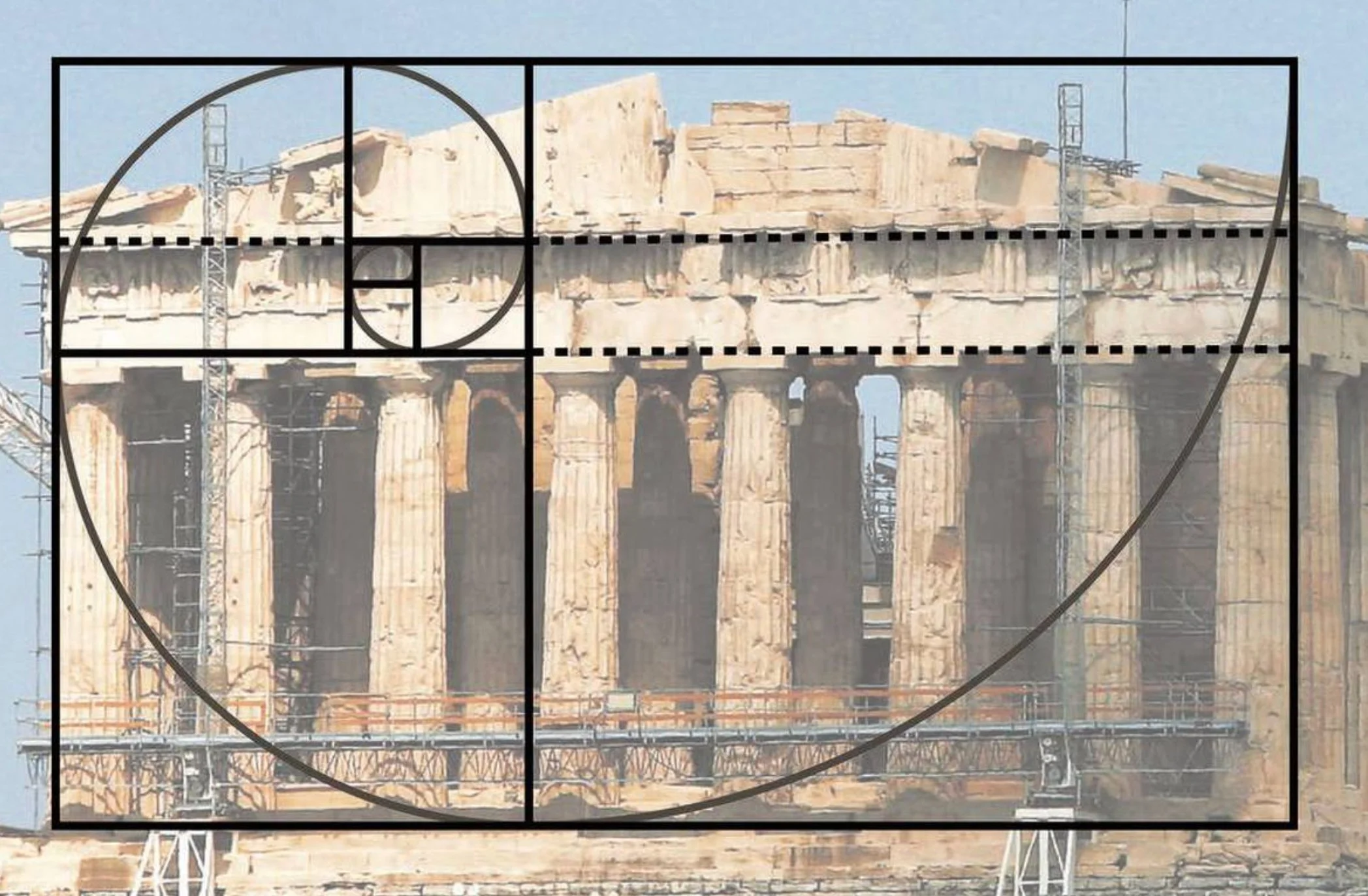
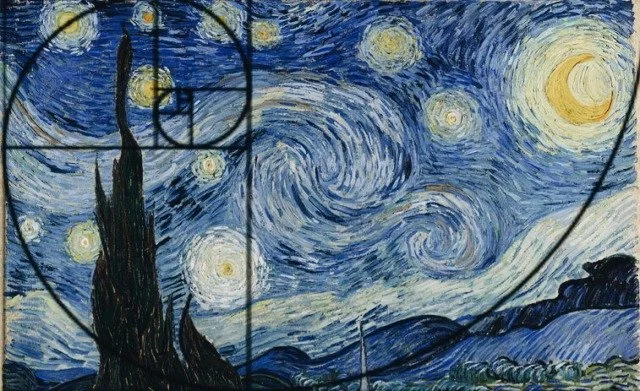
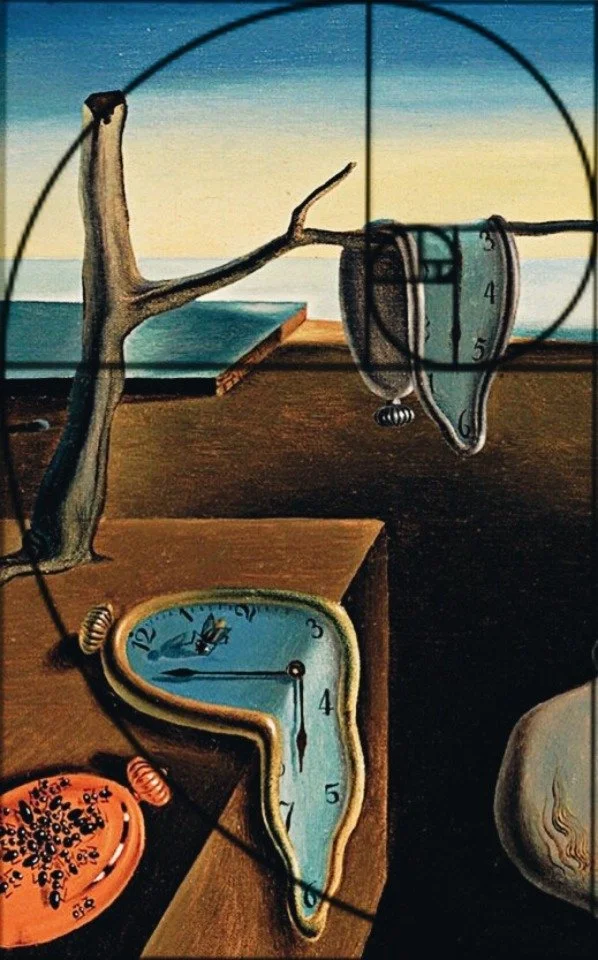
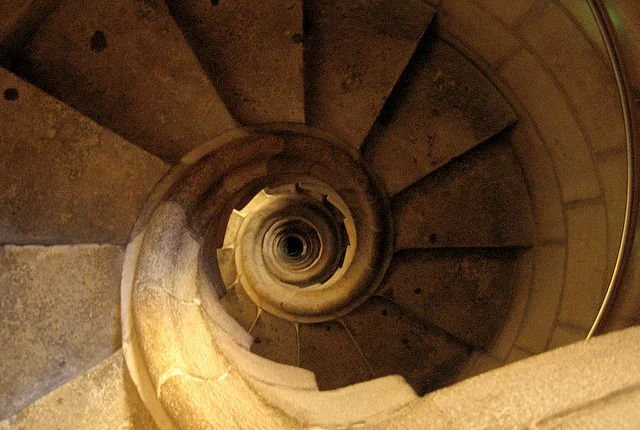
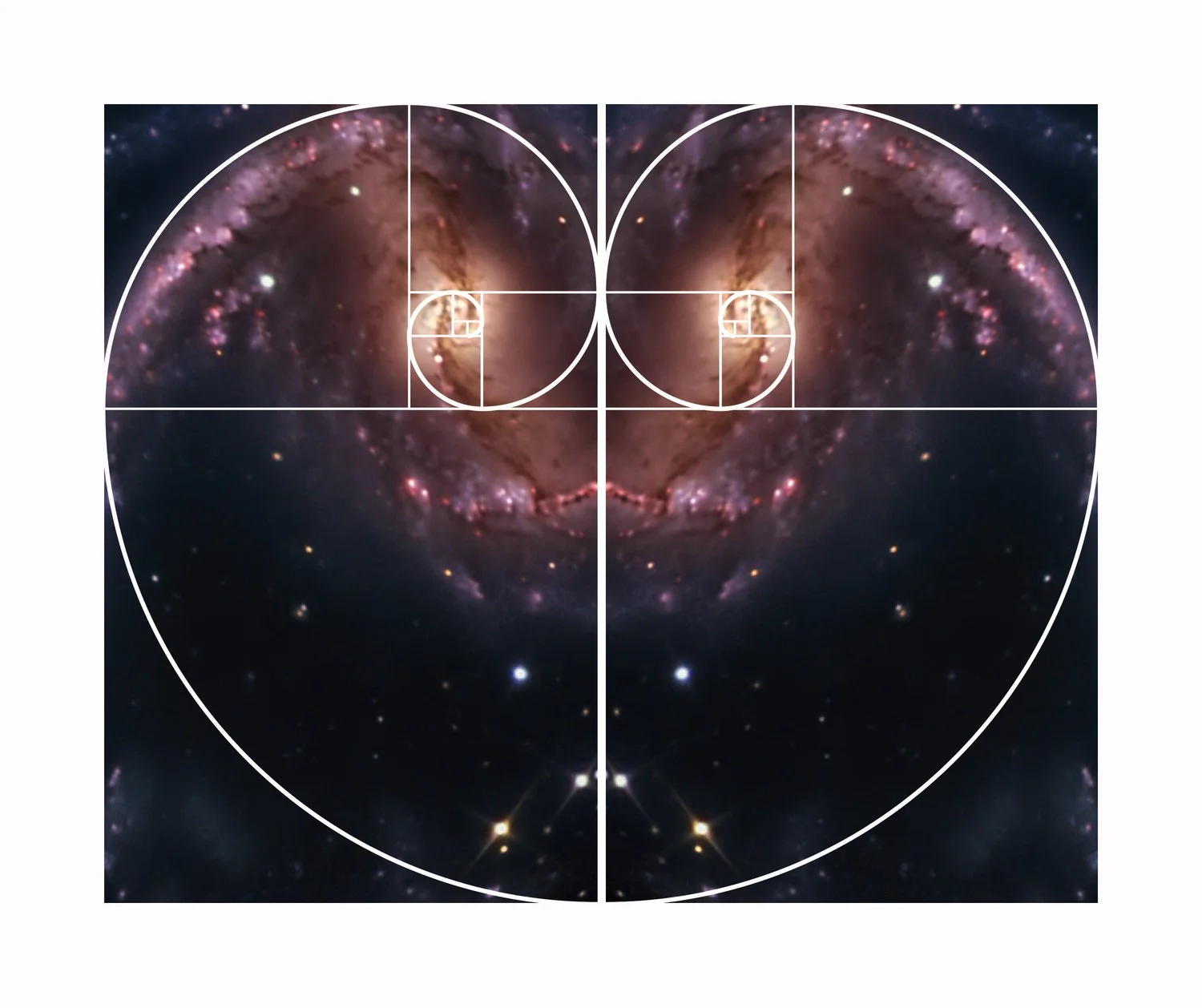
If you would like to check out further applications and implications of the sequence, I would start here with Arthur Benjamin. He is a truly inspired mathematician and teacher.
If you are a hack like me, let's continue...
It is not just physical/ visible objects that carry the sequence. Fibonacci Numbers are also the underlying structure of the worlds most played and universally adored music.
There are 13 notes in the Chromatic Scale, broken into 8 white keys and 5 black keys, the 13th note being the first note in the following octave. There are 8 notes in the Diatonic Scale (just the 8 white keys of the Chromatic Scale) the 8th being the first note in the following octave. When we stack the two scales on top of each other visually, you can see how the Fibonacci numbers correspond with cords.
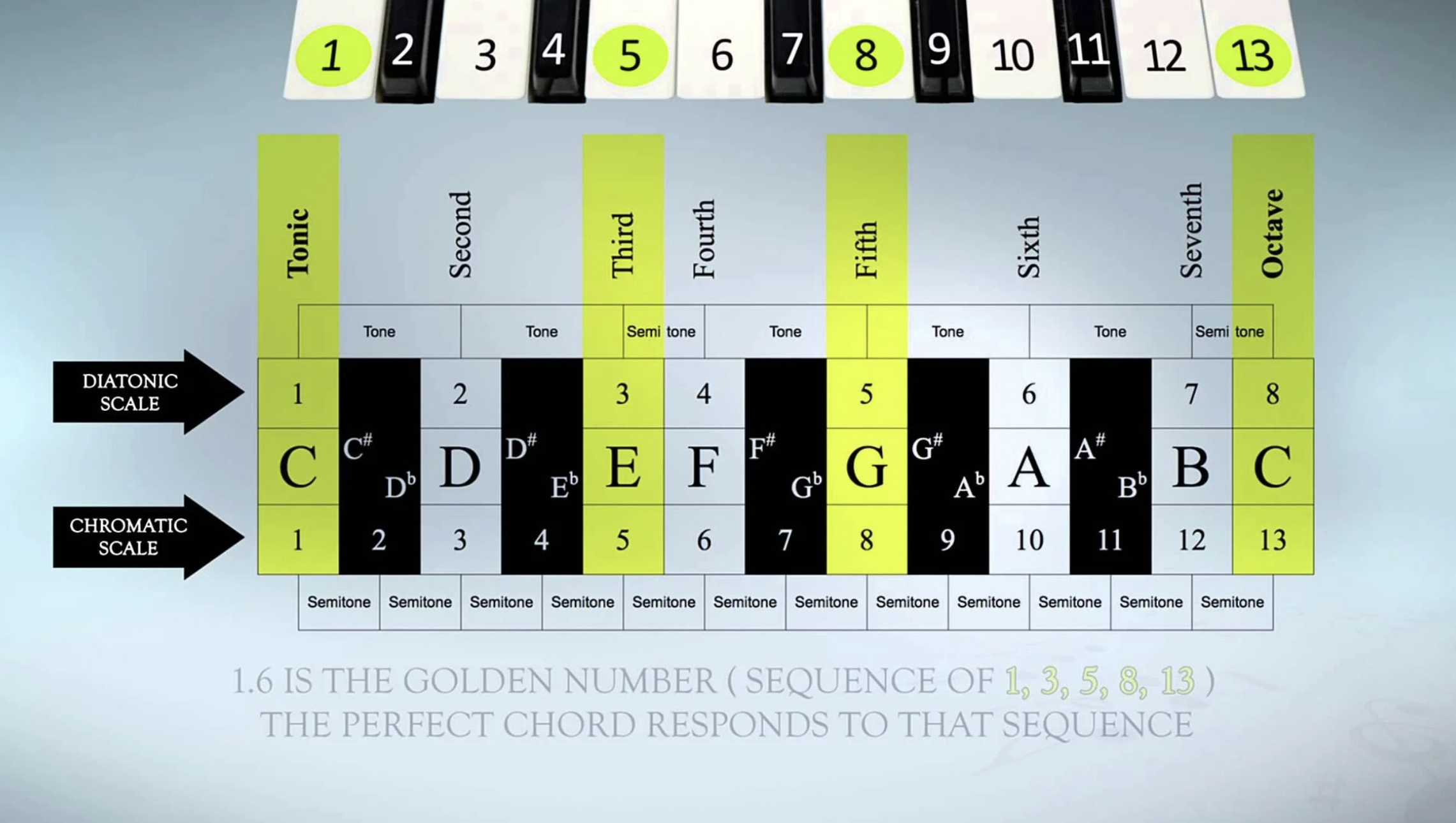
For a video explanation of this, check out Sylvain Lalonde: Fibonacci Sequence in Music - original theory
Fibonacci and phi relationships are found in the timing of musical compositions as well, from Mozart to Pink, the climax or bridge of a song is most often found at roughly the phi point (61.8%) of the song. Further, the typical three or four chord structure of most songs in any key, is made up of the key cord along with it’s Fibonacci & Phi partner plus one or two. This is analogous to the “A is to B as B is to C” basis for the golden ratio. It makes you wonder how many of our aesthetic values and personal expressions are based on these ancient and fundamental systems.
Dave Carlton, one of the contributors to Hooktheory, a modern music theory site, analyzed 13,000 popular songs for patterns, and published the results in an online article you can read here.
He found, as you might expect, that C/Am and G/Em are the most popular key signatures. With G, F, C and Am the most popular cords. But more interesting to me, is the relationship of cords to each other in the songs he analyzed. Such as, what cord is most likely to come next in popular music? Well he found in the case of C with and Em, 93% of the time the other cords will be F, Am or both.
Not surprisingly, the most popular songs are also the most emotive, through a combination of effects. To illustrate this divine musical situation, I want to share the following old video snippet from comedian, Owen Benjamin. Owen is a musician, and has done several hilarious bits about the absurdity and homogeneity of pop music. In this one he provides a heartfelt exploration of Coldplay, and shares his own ballad OTPHJ (in a Walgreens).
Owen’s ballads - as Coldplay’s, are in fact golden ratio compositions, complicated a bit by the use of 2 bridge moments at measures 17 and 27 (double climaxes), the median of which is 21.7…61.8% of the 35 measure song.
Axis of Awesome did a performance showing how “All Songs Are The Same” back in 2009, and if you ask me, these guys all provide a brilliant opener to talking about the nature of existence.
Now we have seen the same mathematical sequence equally applied to visible and audible phenomenon… Now lets talk Quantum Mechanics. All things in existence can be thought of in two ways:
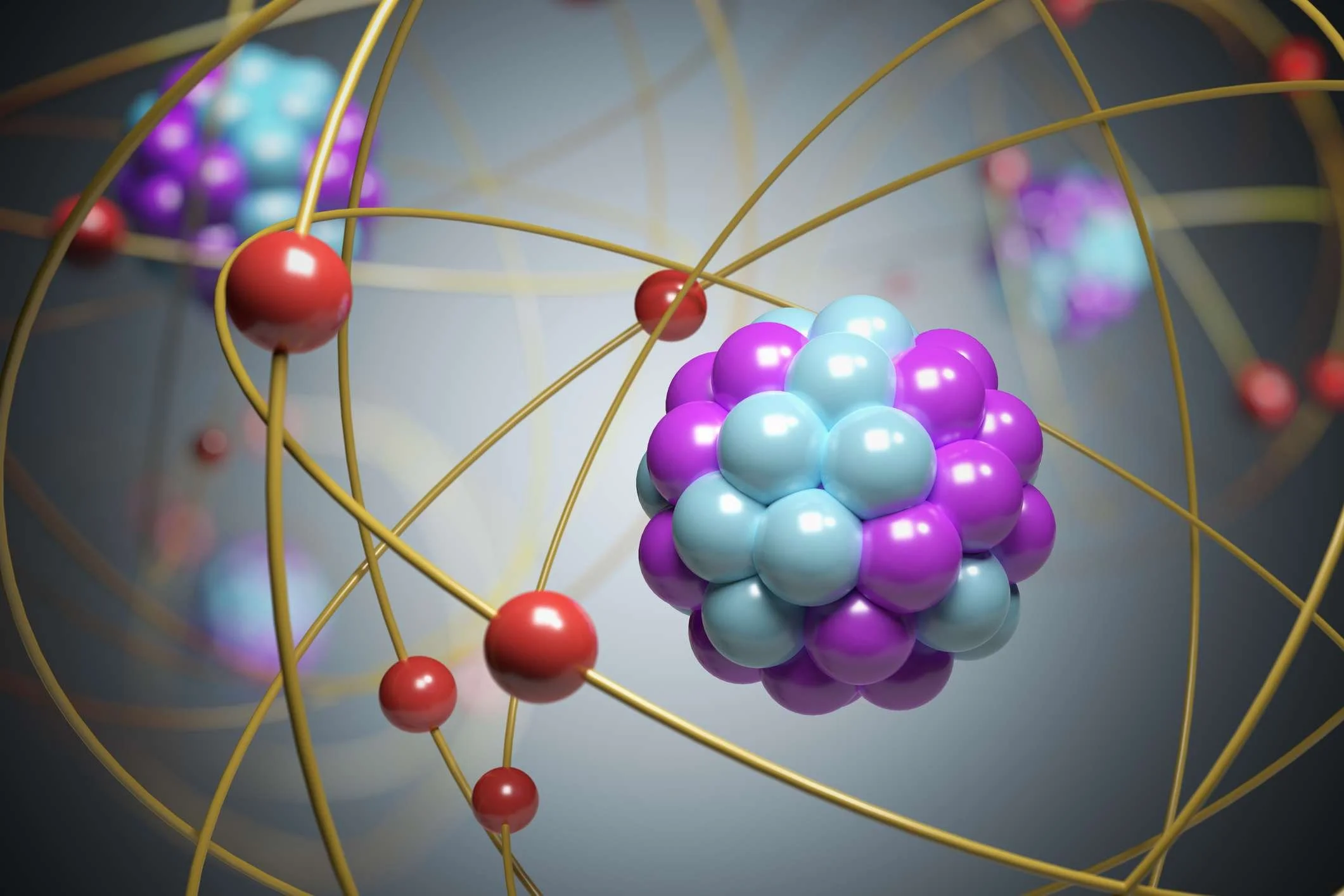
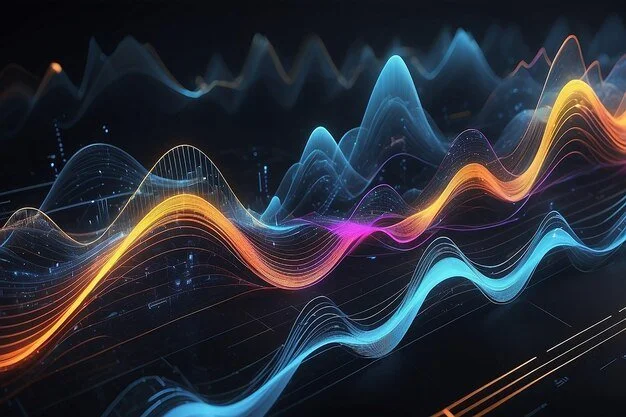
Whether you choose an atomic or vibrational world view, the same rules will always apply. I think music is a key starting point to this exploration because it is vibration made tangible through the tools we use to express it. And, if you will agree (for the moment) to impose a vibrational world view of waveforms onto musical theory, we can begin to talk about dimensions and infinity.
Dimensional levels are simply different base rate wavelengths. It is not really the difference between line, shape, form and time as many of us were taught. Those are three-dimensional expressions of vibration. In fact, the only difference between this dimension and any other is the waveform we express through vibration. More dense life forms like crystals and plants have a much lower base wavelength, and as you travel dimensionally upwards the base wavelength increases.
To illustrate the beauty of this we can think again about the Chromatic scale. If you look at a piano’s keyboard, it has 8 white keys and 5 black keys in each octave. The last note in the scale, is the first note of the next octave. This musical system theoretically goes on infinitely in both directions, we just happen to prefer an instrument with a set number of octaves that sounds great at our level of vibration.
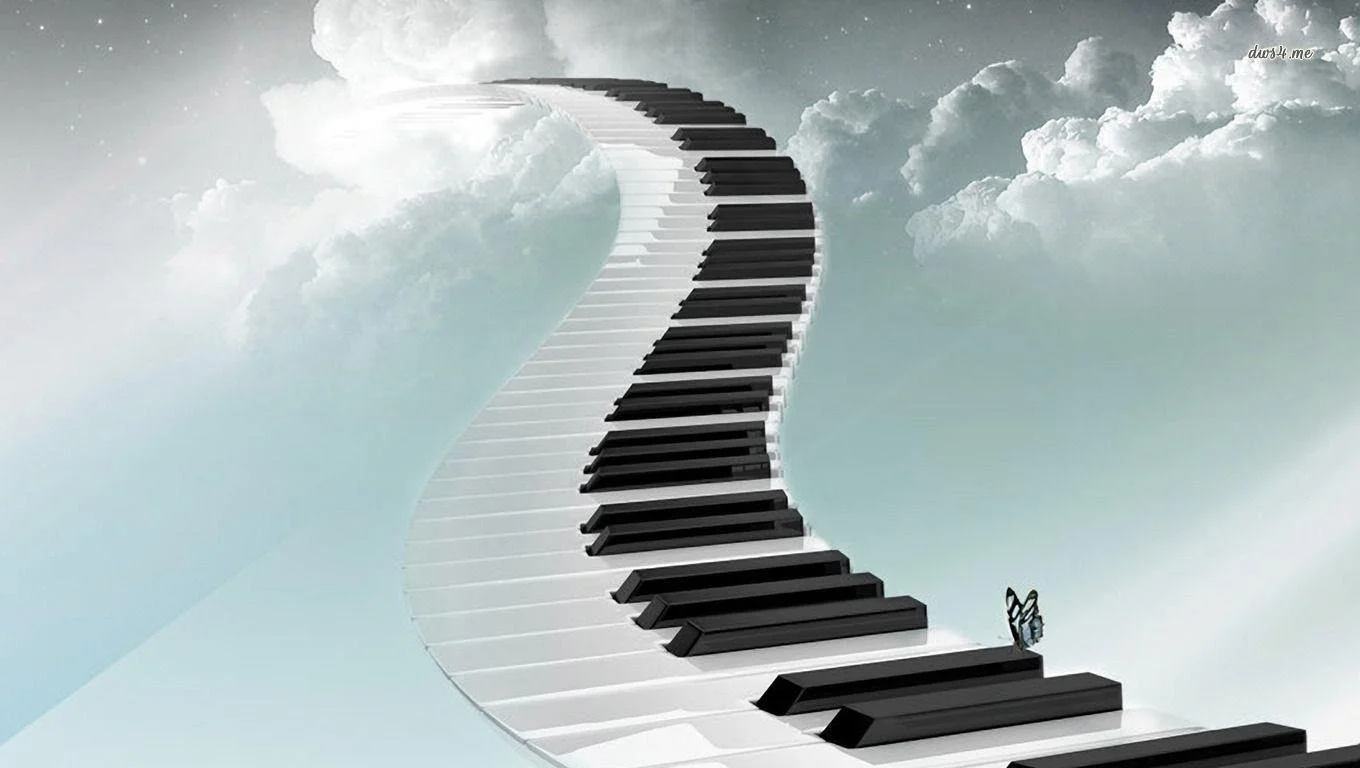
If you picture yourself as any key on that piano, and think about how big we perceive the universe to be from that one point, our one key perspective in an infinite set of harmonic possibilities.
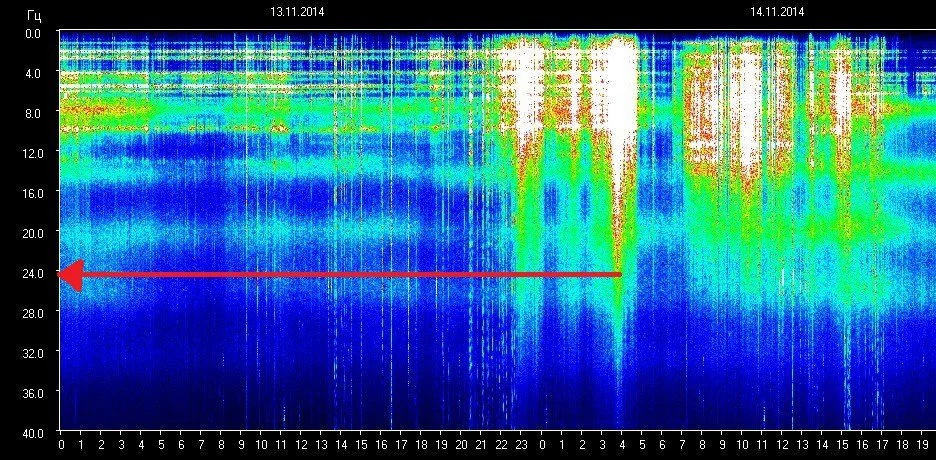
In 1953, Professor W.O. Schumann of the University of Munich was teaching his students about the physics of electricity when they discovered that the Earth itself produces very specific pulsations; the vibrational pulse of Earth. In 1954, measurements taken by Schumann and Dr. Herbert König, who later became Schumann’s successor, confirmed an Earth frequency of 7.83 Hz, and in the years to follow, investigators worldwide began to research what had been dubbed “Schumann Resonances”.
Vibration frequency refers to the rate at which something oscillates or moves back and forth. In the context of the earth, it fluctuates with the influence of EMFs, Solar and Planetary Activity. You can read daily reports on the resonance and tracks the daily fluctuations as measures by investigators around the globe on sites like: Schumann Resonance Today.
It is not just the earth itself that resonates, every single life form has a unique vibrational frequency that is measurable and changeable. As it is human beings, it encompasses our emotional states, mental clarity, physical health, and spiritual awareness. Higher frequencies are often associated with positive emotions like love, joy, and peace, while lower frequencies may resonate with feelings of anger, fear, or sadness.
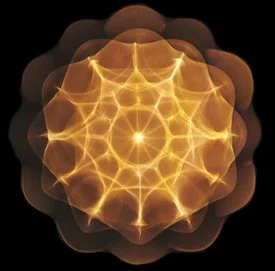
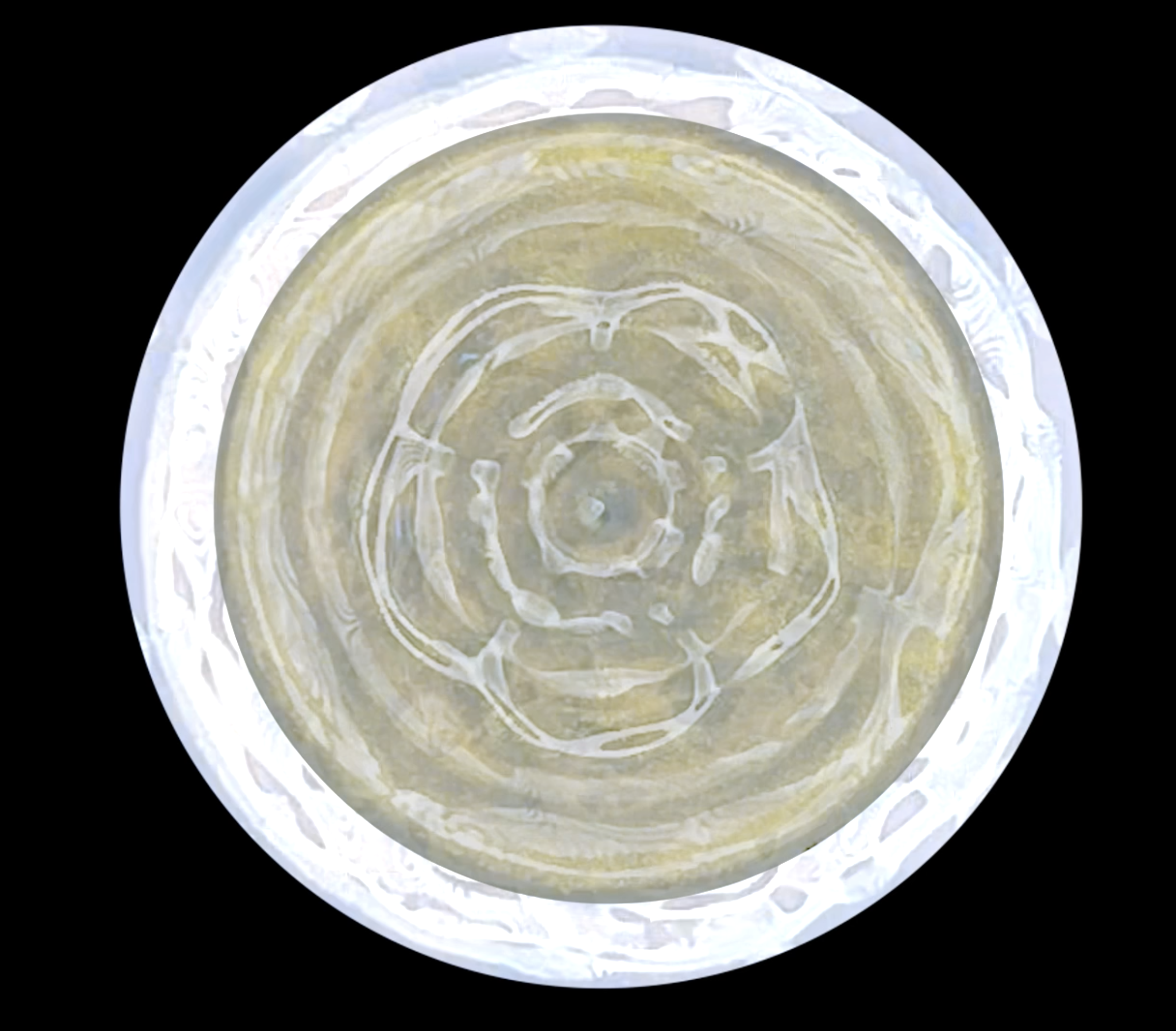
Cymatic Image Generated from 432hz
From ancient Greek: κῦμα, meaning "wave" is what inspired scientist Hans Jenny to use the term Cymatics, to describe a subset of modal vibrational phenomena - the study of visible sound and vibration in the 1960s. Jenny (1904-1972) was a physician and natural scientist. In 'Cymatics: The Study of Wave Phenomena' he concluded about what he had observed, "This is not an unregulated chaos; it is a dynamic but ordered pattern."
And so, Cymatics refers to the study of the periodical effects that sound and vibrations exercise on matter. Cymatics can be described as a field of research studying the observations and the measurements of the vibrational sound frequencies interacting with all kinds of matter.
I have another post specifically on The History of Cymatics that you can read here, but my primary inspiration for the exploration of Cymatics, began with Rudolf Steiner (1861-1925) and his philosophy “Anthroposophy,” which states that human beings can intellectually access and uncover elements of an existing spiritual plane through material exploration. And the person who made arguably the largest contribution to the field of Cymatics in the twentieth century was Hans Jenny (1904–1972). Jenny was a Swiss medical doctor and scientist who published his first volume, Kymatic—a title derived from the Greek word kuma (wave), a description of the periodic effects that sound and vibration have on matter in 1967, and his second in 1972. His two volumes are a visual inventory, which he observed and described in great detail while leaving scientific and mathematical explanations to scientists who would come after him.
Hans Jenny studied visual sound intensively. As a physician, fine artist, pianist, philosopher, historian, and empirical researcher, Jenny conducted a wide range of experiments documenting the effects of sound and energy on various media. He also documented his experiments in 16mm films entitled Cymatic SoundScapes, Bringing Matter to Life with Sound which you can watch here on YouTube.
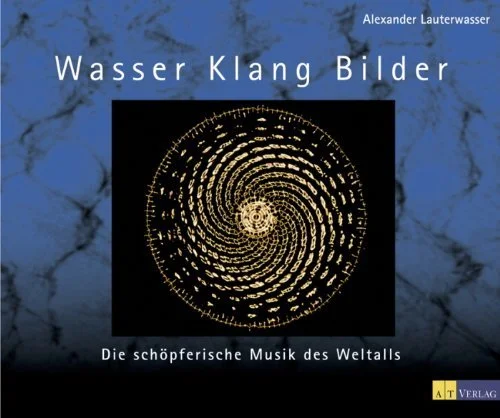
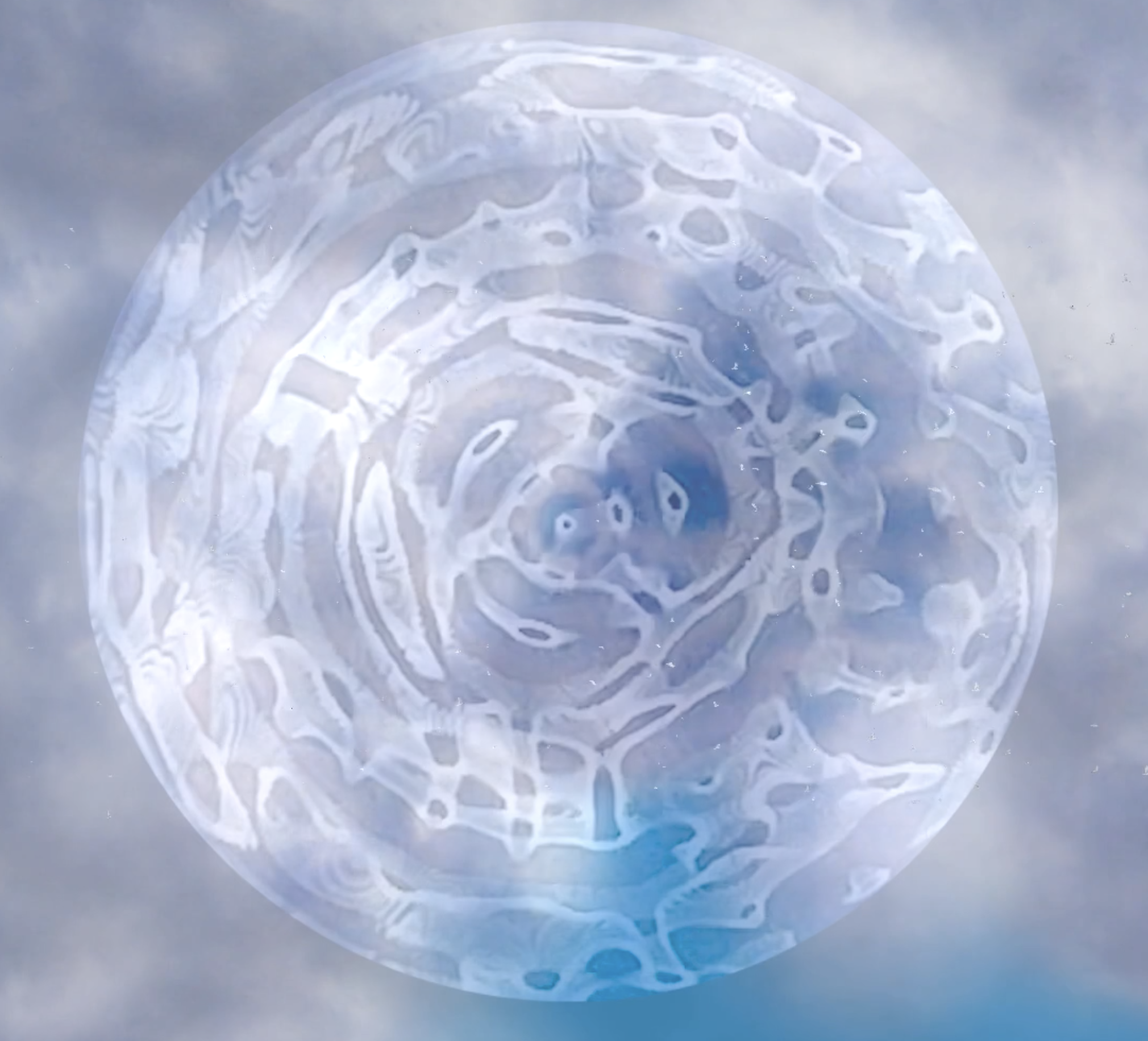
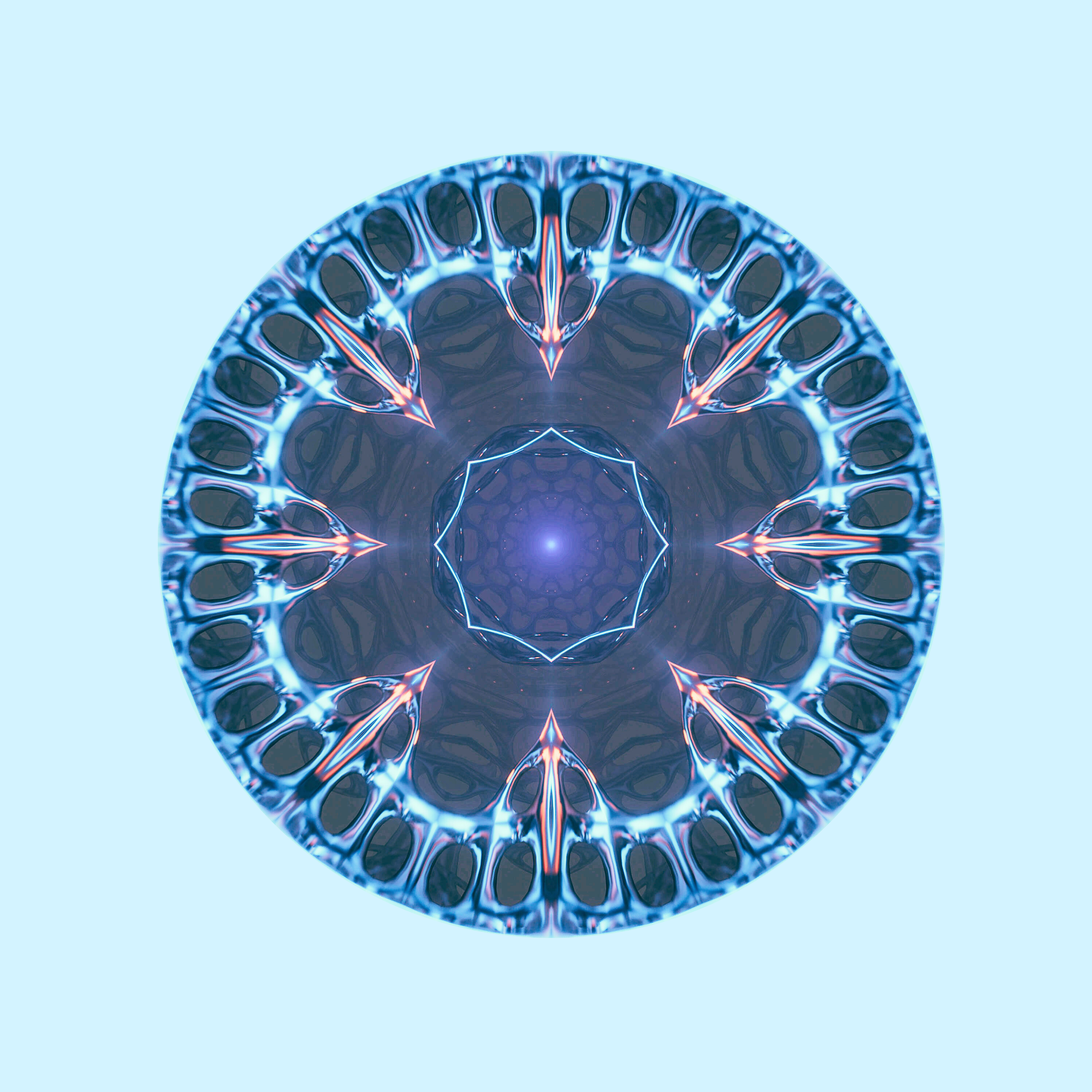
My newest Cymatic Generators are based off the designs of German photographer, philosopher and Cymatic researcher, Alexander Lauterwasser who brought the work of Hans Jenny into the 21st Century using finely crafted crystal oscillators to resonate steel plates and vibrate small samples of water in Petri dishes. His first book, “Wasser Klang Bilder” features imagery of light reflecting off of the surface of water set into motion by sound sources ranging from pure sine waves, to music by Ludwig van Beethoven, Karlheinz Stockhausen, electroacoustic group Kymatik (who often record in surround sound ambisonics), and overtone singing. In 2006, MACROmedia Publishing published the English version of the Lauterwasser book titled “Water Sound Images” that you can get here.
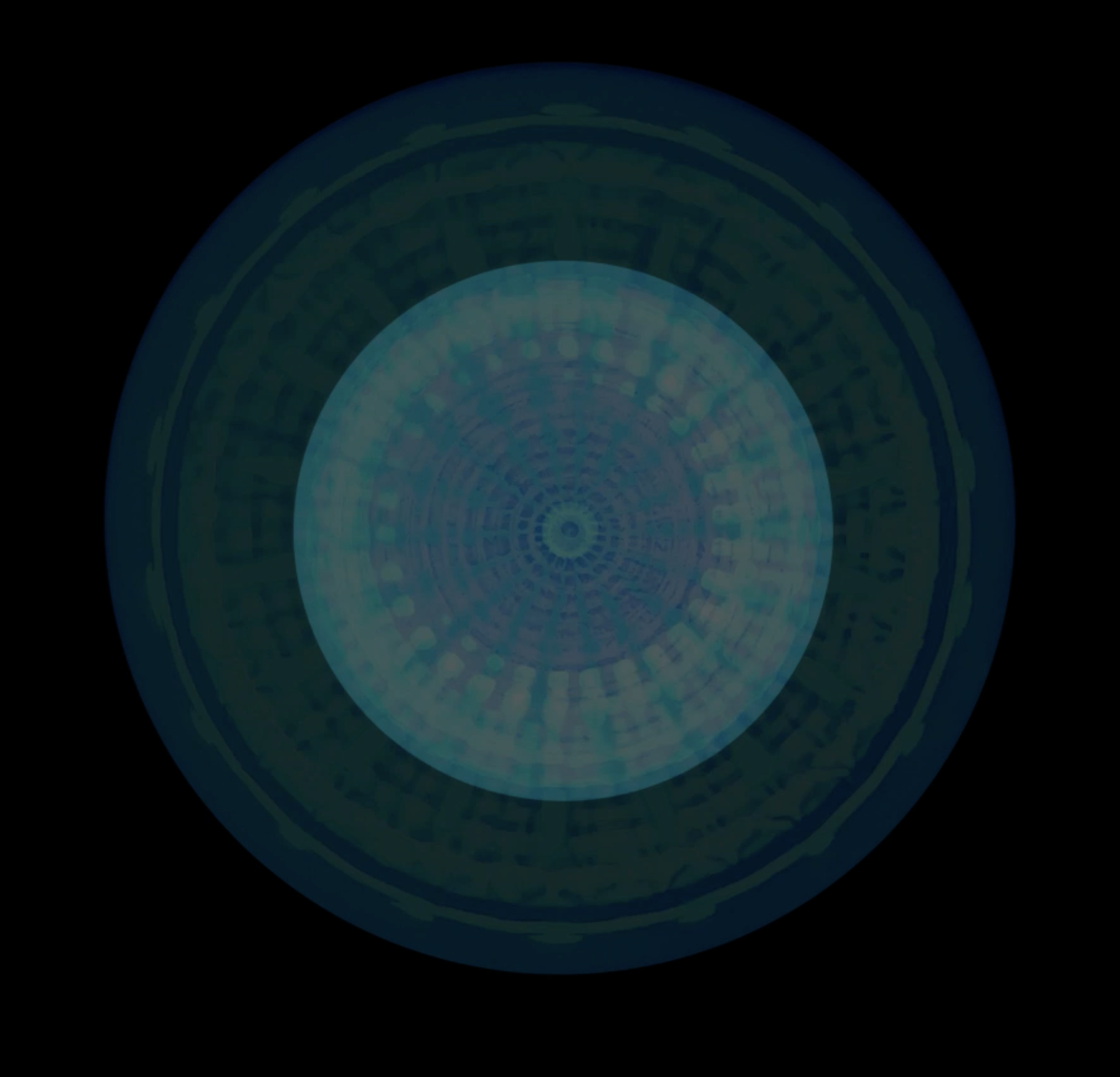
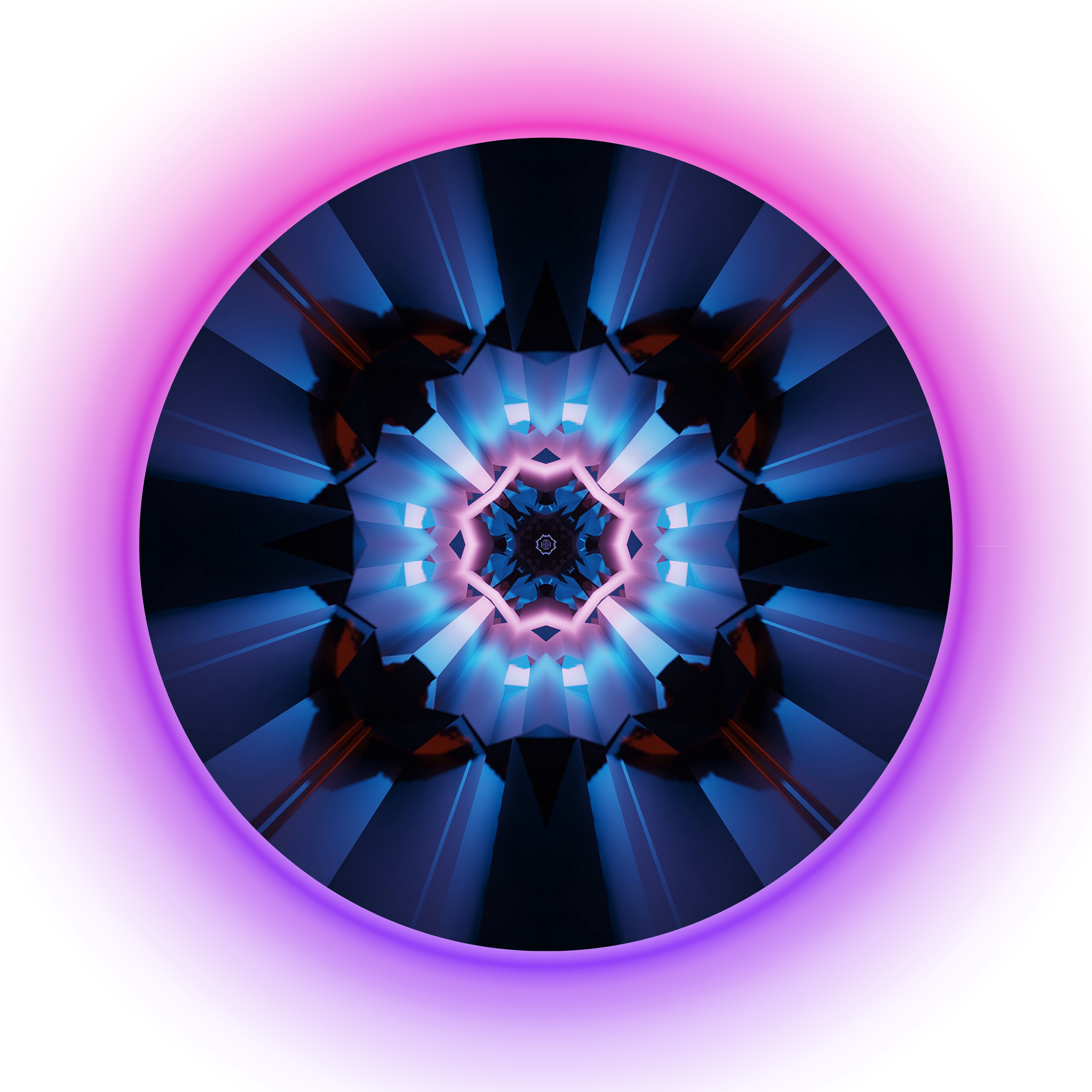
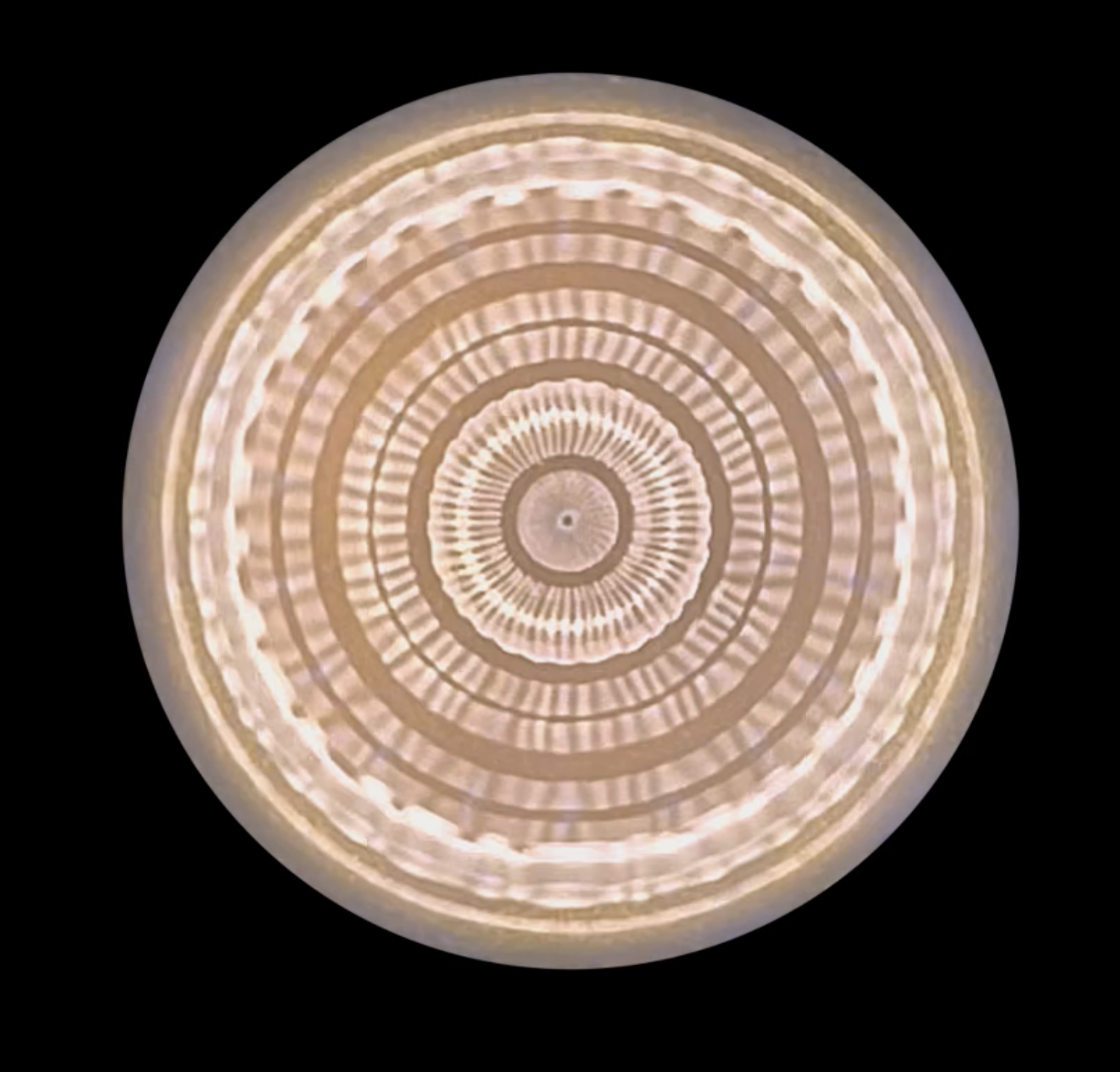
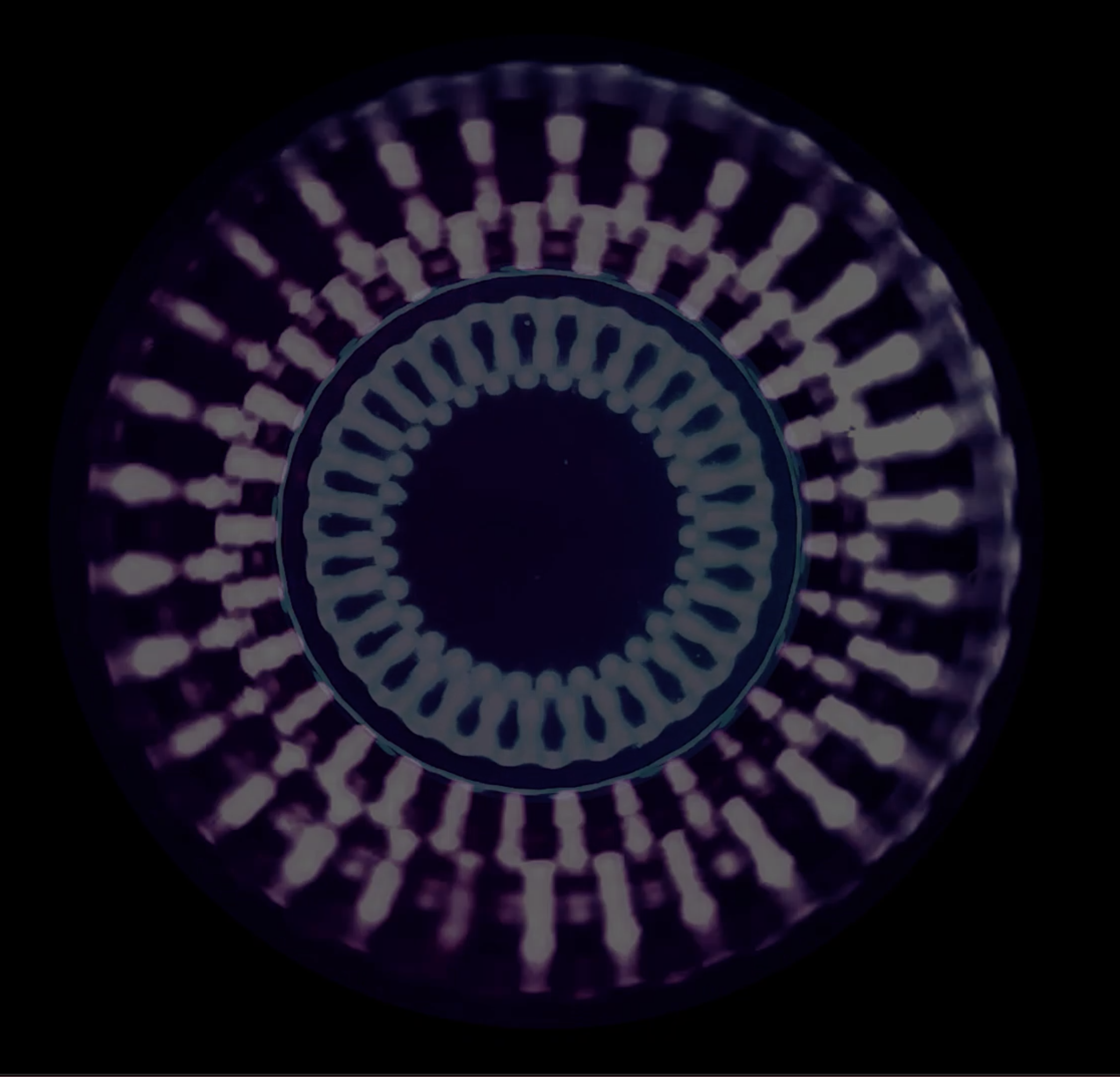
With my current set up I am able to use pure frequencies, vocalizations, music, natural sounds, ambient sounds or any recordable phenomenon - audible or inaudible to create moving and still images. Here is some raw footage from an ongoing project with CoCreator: Dominic Shodekeh Talifero titled Vymatics.
You can learn more about that project here.
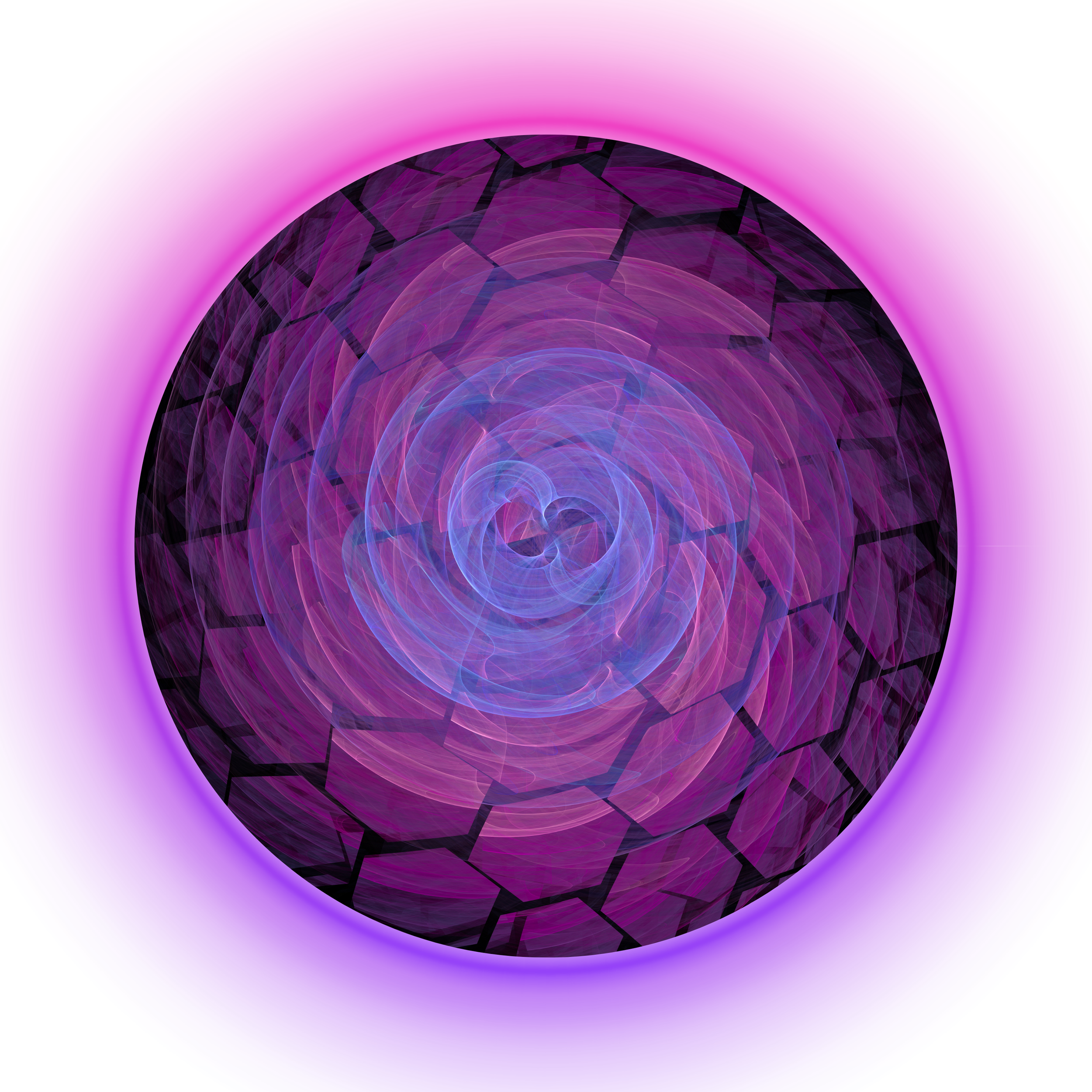
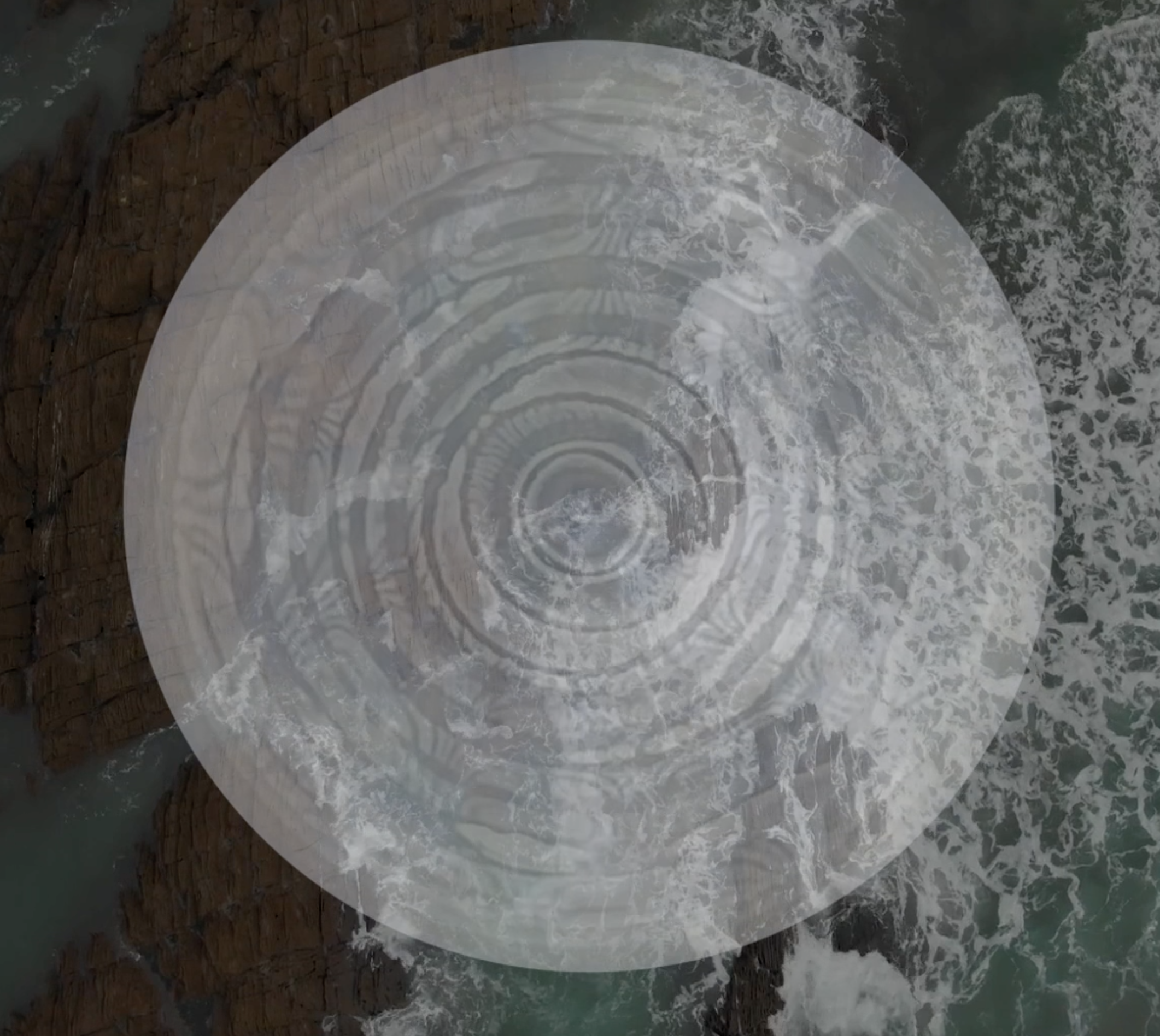
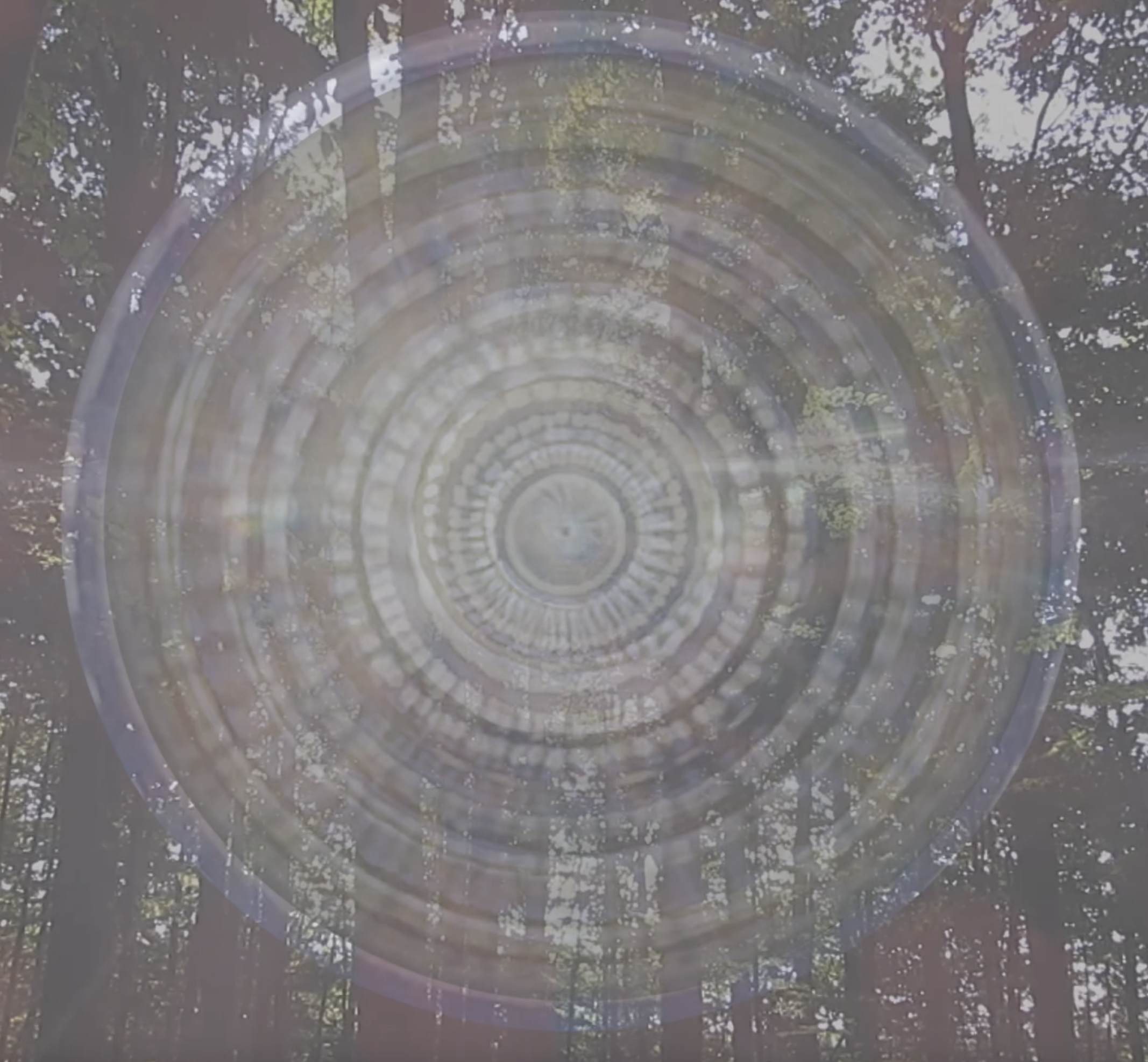
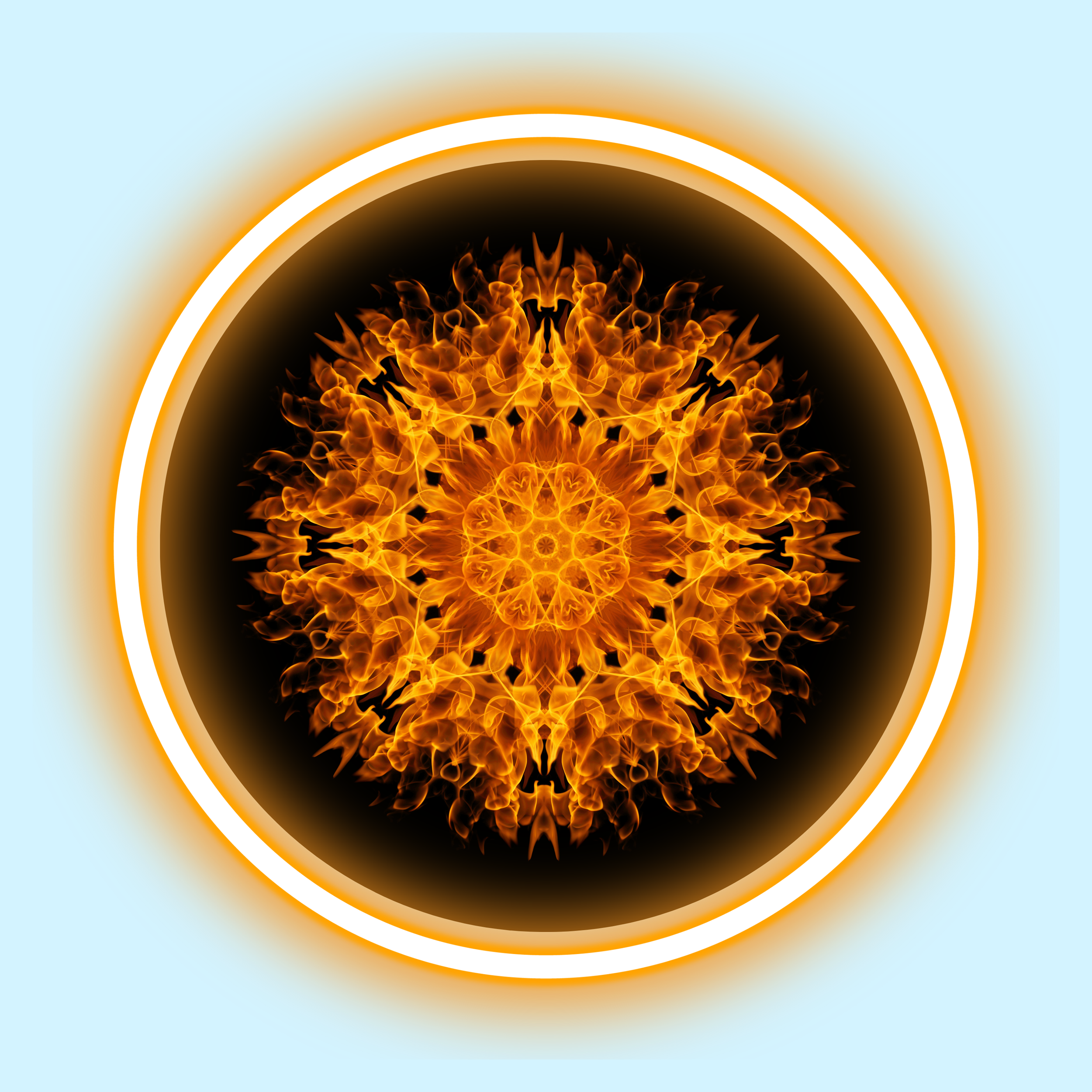
And here of some of the resulting still images from these experiments.
Resonance in Practice
Heart Symbols, Fibonacci, Geometry, Vibration and Visible Form — speak to us not just intellectually but viscerally, so I want to share a bit of the work I am creating to reconnect people with resonant fields that support clarity, coherence, and alignment.
The profound human journey begins not in the distant cosmos, but within the smallest, most constant rhythm of the body: the heartbeat. We often perceive existence as a chaotic, fragmented system but often it is the “unseen structures” that guide life and our heart is the most potent transmitter.
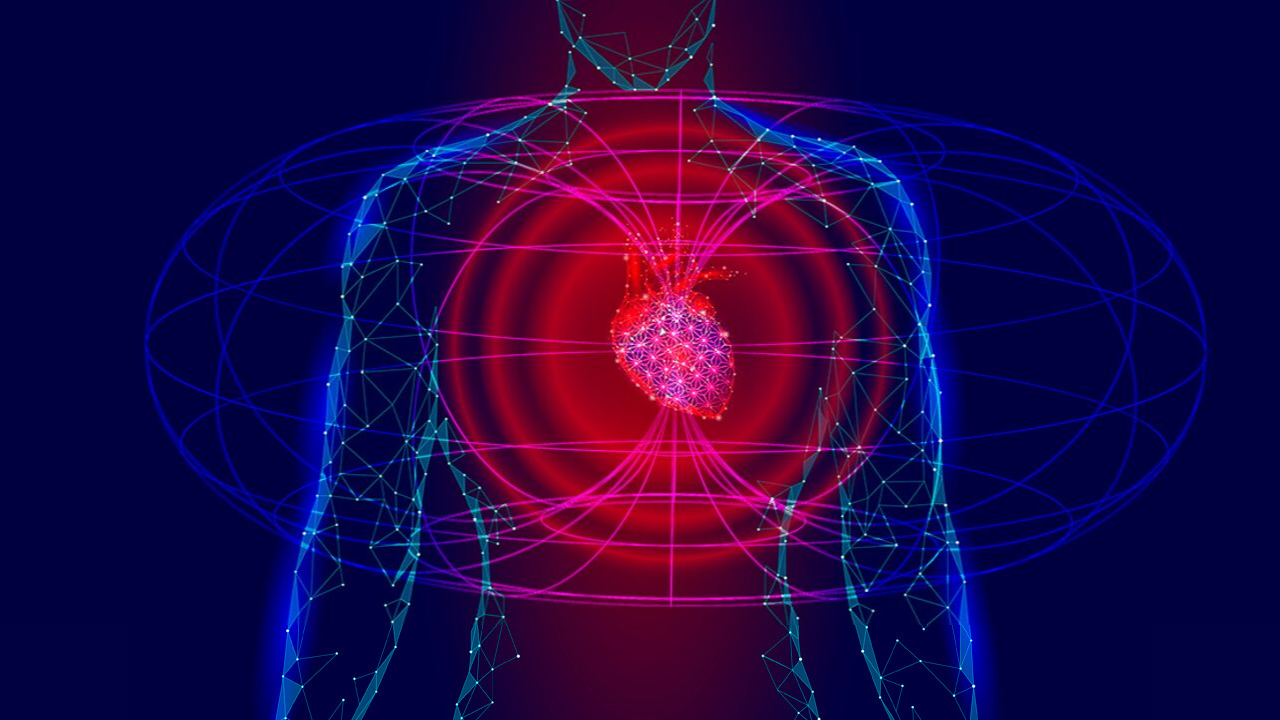
The heart, long regarded for mere biological function, is actually the most powerful source of electromagnetic energy generated by the body. Our heart’s electrical field is immense - possessing an amplitude 60 times greater than the electrical activity generated by the brain. This physiological reality re-positions our human experience because the heart, not the intellect, is the dominant energetic engine and the primary factor shaping our energetic output into the collective field of frequencies around us.
In this sense, love is not merely emotion, but a measurable organizing force — a harmonic of unity and presence. When we enter states of coherence, the heart radiates patterns that influence our environment and those around us. Coherence produces ordered structures, echoing the same geometry found throughout nature — Fibonacci patterns, sacred geometry, and fractal design.
The implications of states of heart coherence reveal the organizing principles of creation. Emotions like fear and separation generate chaotic, erratic energetic patterns while conversely; coherence and alignment generate efficient, organized patterns that align precisely with universal blueprints such as Sacred Geometry, The Golden Ratio, Phi and the Fibonacci sequence.
To grasp the full scope of Heart Geometry and Resonance, we must view as an active, governing structure of reality. Consciousness serves as the full time architect of our reality, but this creative process requires a fundamental, guiding principle and powerhouse - Love.
Ancient spiritual traditions from many cultures speak of sound as pre-existing the formation of the Universe.
“In the beginning the Word already existed. The Word was with God, and the Word was God.”
-St John’s Gospel
“In the beginning was Brahman, with whom was Vak [the word] and the word is Brahman …by that word…he created all things whatsoever.”
-Vedic Brahman circa 1500 BCE
An even more ancient text, ‘Aintiram’, written during the first Sangam period in the Tamil region of southern India dating to circa 3000 BCE or even older, contains many sections relating to sound as “OM” and is described as a huge wave of the ocean of “The Primal Source...” (V 6, Pranava Veda, translation by Dr. S.P. Sabharathnam).
The vastness of existence - the intricate cosmos - our earthly realm and our internal world are built from a profoundly simple governing law. The greatest technology ever conceived is consciousness itself, and its operating system is not complex code, but coherent resonance.
Love is the ultimate equation, the elegant formula of the universe. It is the original frequency that, when perfectly aligned, guarantees the harmonious continuation of the infinite fractal. The constant, timeless resonance of the universal field - the sacred bell that tolls in now silenced cathedrals - the coherent light of one’s own heart, a light that was always home.
If you would like to experience this coherence personally, The Resonance Collection grows directly from this exploration, translating hidden geometry and vibrational patterns into meaningful visual and intuitive experiences.
Through Custom Frequency Portraits and Cosmic Blueprint Readings, I invite you to reconnect with your own resonance — or gift that sense of alignment to someone you love.
Learn more about The Resonance Collection here.
Whether you’re drawn by curiosity, self-love, or deep connection, these explorations continue the journey of understanding how love, frequency, and form intersect.